The EOSC Association’s General Assembly elected three delegates to the Board of Directors during its 15th meeting on 27 November 2026, and extended Klaus Tochtermann’s mandate as President of the EOSC Association through 30 June 2028.
The GA also approved the admission of one new Member and four Observers, bringing EOSC-A’s membership total to 258 organisations.
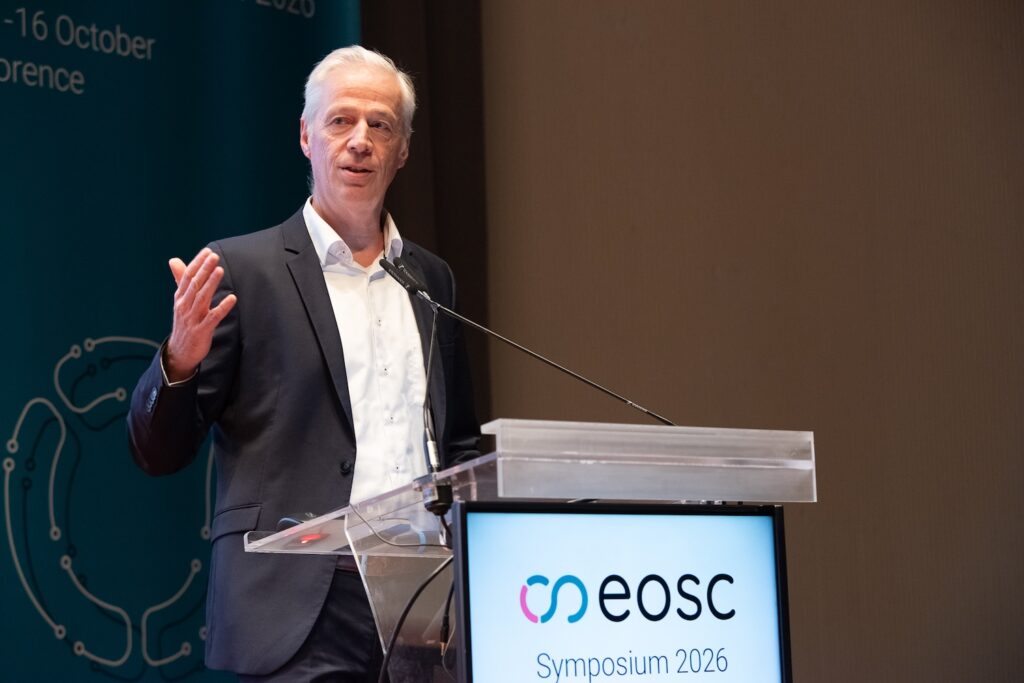
The newly elected Directors are Salvatore La Rosa of Italy’s Area Science Park, Jessica Lindvall of Stockholm University, who has been re-elected following completion of a one-year term, and Alessandro Rizzo of France’s CNRS. Each is elected for a three-year term, and they will collectively assume their responsibilities on 01 January 2027.
Four delegates from EOSC-A Member organisations stood for the three open positions. The Association extends its sincere appreciation to all candidates for stepping forward at this critical moment for EOSC’s future. The election was conducted online in accordance with the EOSC-A Articles of Association and Internal Regulations, using a double-majority voting procedure requiring a two-thirds majority of all Members present or represented, as well as a two-thirds majority of Mandated Organisations present or represented.
Klaus Tochtermann will serve an additional year and a half as EOSC-A President
Following on a process to align EOSC-A’s Internal Regulations with its Articles of Association where it concerns the presidential mandate—introduced at GA#13 and adopted by GA#14—Klaus Tochtermann’s original one-and-a-half year presidential term has now been extended to three years by a two-thirds double-majority vote at GA#15. This means Tochtermann will continue as EOSC-A President through June 2028.
A bittersweet farewell to outgoing two-term directors Marialuisa Lavitrano and Suzanne Dumouchel
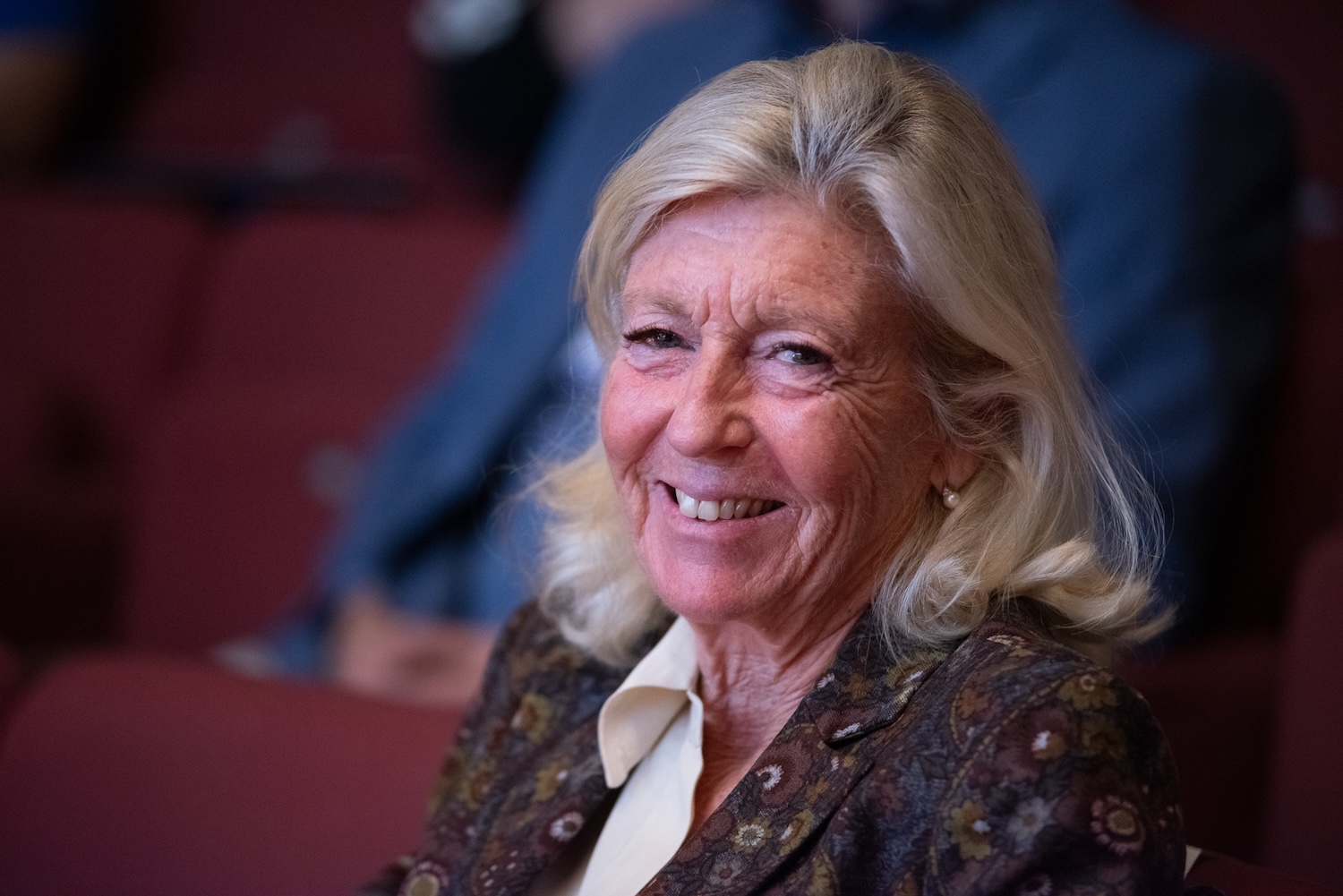
The GA warmly recognised the dedicated service of outgoing EOSC-A Directors Marialuisa Lavitrano and Suzanne Dumouchel, who conclude their terms this month. Both women were charter members of the EOSC-A Board of Directors, first elected in 2021 and reelected in 2023.
Meet the new Directors
Following their onboarding in the new year, the new Directors will join the rest of the EOSC-A Board and the EOSC Tripartite Governance in guiding EOSC through a critical period of transition towards a new governance and funding model central to the future of the Association, the EOSC Partnership, and the expanding EOSC Federation.
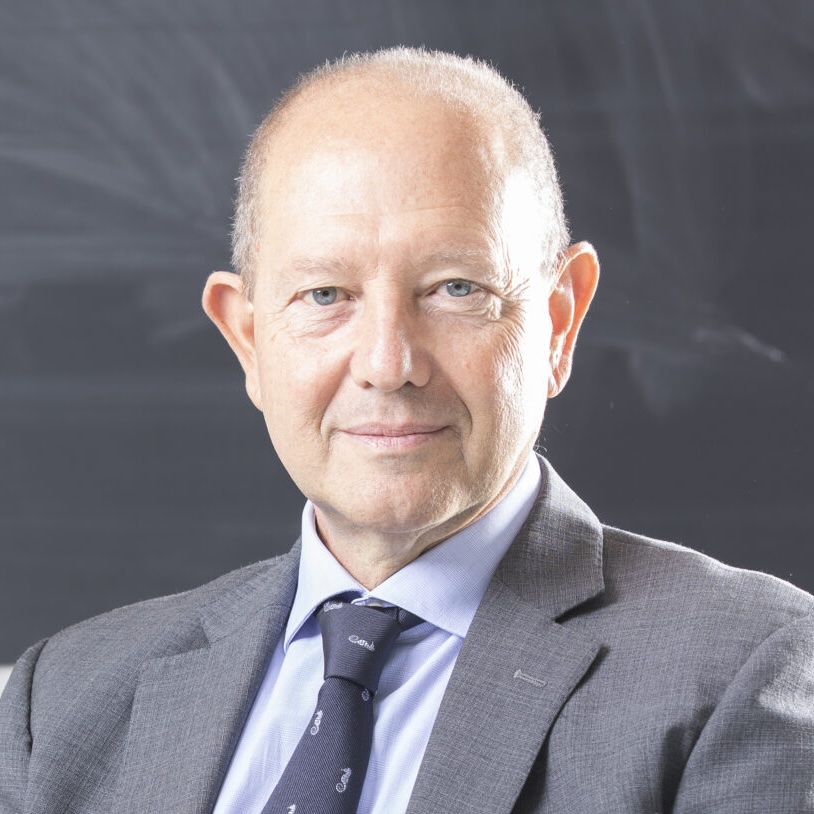
Salvatore La Rosa
Area Science Park (IT)
- Director, Division for Research and Innovation
- Physicist and senior research-policy and research-infrastructure leader with experience spanning scientific research, the European Commission, national government and research-performing organisations.
- Italian Delegate and Chair of the General Assembly of CERIC-ERIC
- Former Director, Unit for the Internationalisation of Higher Education Italian system at the Italian Ministry of University and Research (MUR)
- Contributed to the drafting or revision of strategic national documents, including the National Plan for Open Science 2021–2027 and the National Programme for Research Infrastructures 2021–2027
- Participated as Italian delegate or representative in governance and development activities for major research infrastructures, including ESS, EMSO, ECCSEL, LIFEWATCH, CERIC, ICOS, ELI, KM3NeT, INSTRUCT and EMBRC
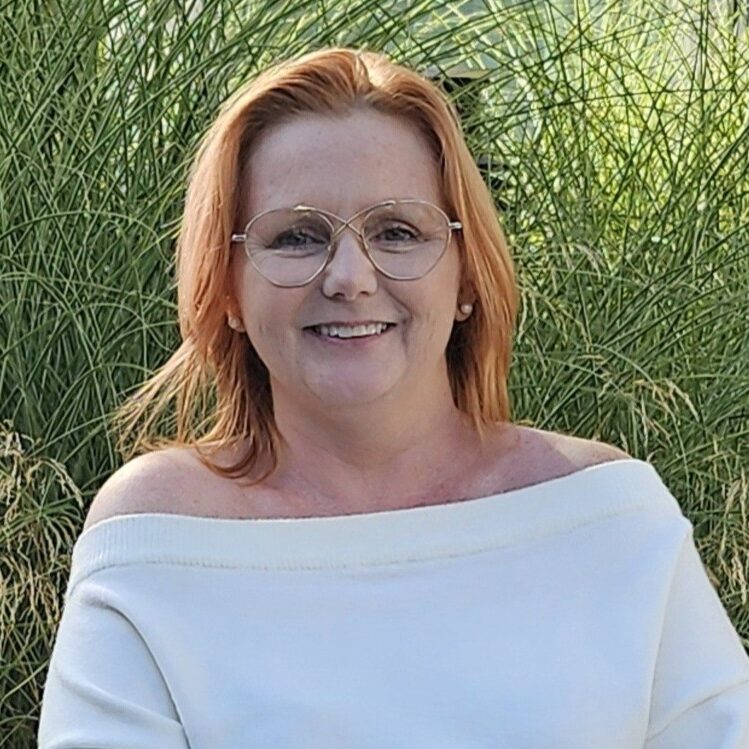
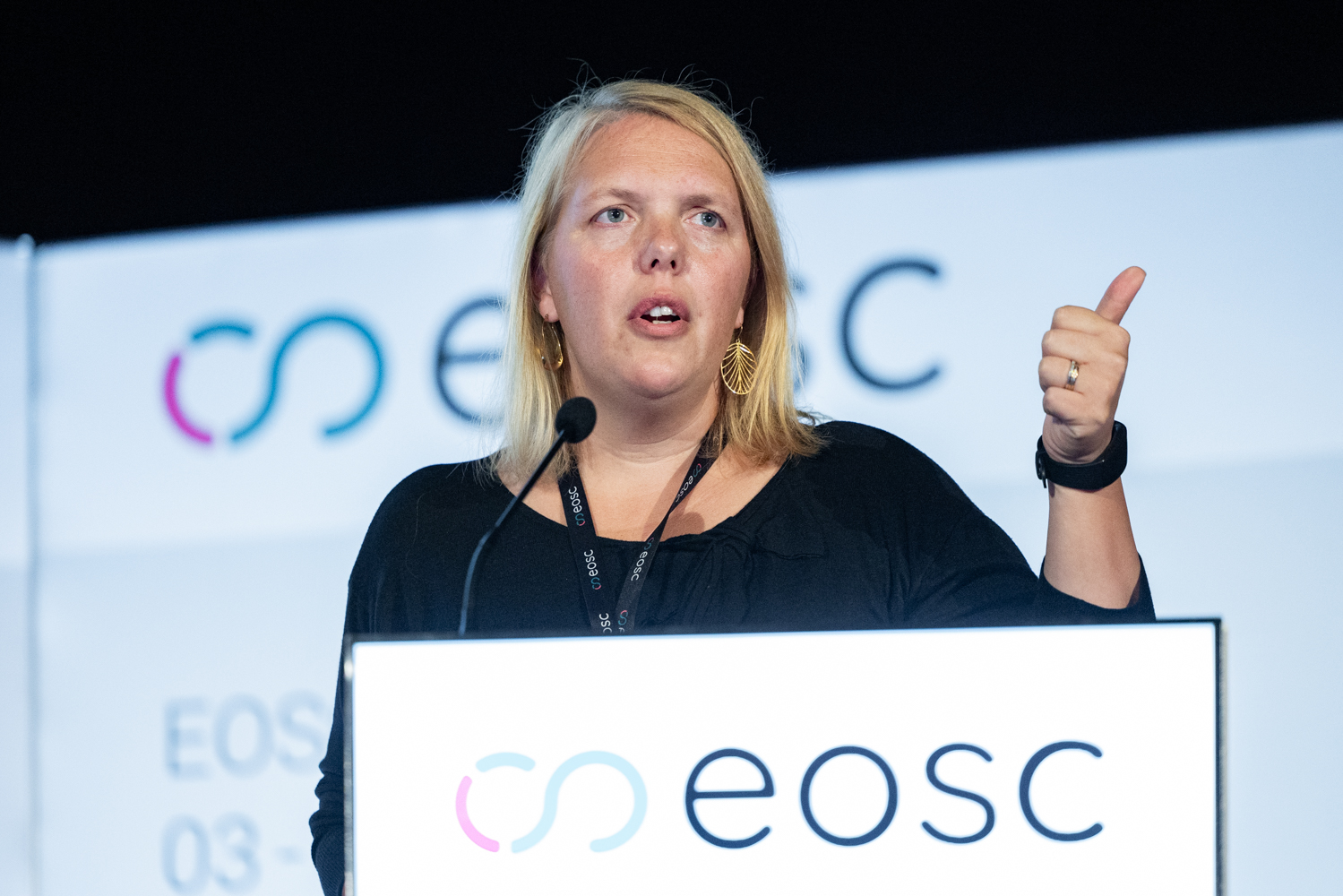
Jessica Lindvall
Stockholm University (SE)
- Associate Professor in Bioinformatics at Stockholm University
- Research infrastructure leader and bioinformatics researcher with 15+ years’ experience
across national and European research infrastructures.
- Deputy Head of Node ELIXIR-SE / Swedish National Research Infrastructure in Bioinformatics (NBIS)
- Director, EOSC Association (2026)
- Executive Committee member of the ELIXIR Training Platform
- Head of Training at SciLifeLab Training Hub
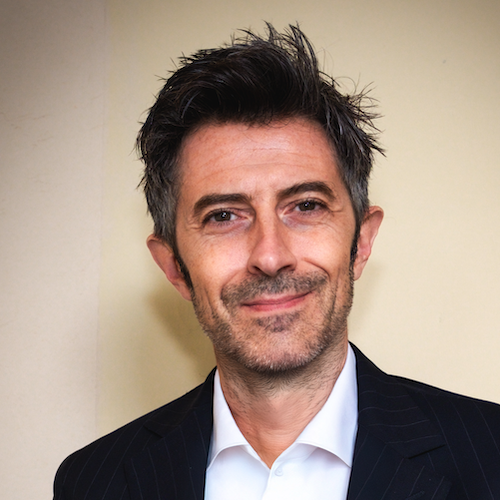
Alessandro Rizzo
CNRS – Research Infrastructure Data Terra (FR)
- Head of European programmes and platforms / European Affairs coordinator
- Scientific and strategic leader with extensive experience in internanational research
cooperation, institutional development, and Open Science.
- Coordinator of the EOSC Node Data Terra
- PhD in Sustainable Development and International Cooperation
- President of Technical Commission V – Education and Outreach (2026–2030) of the International Society for Photogrammetry and Remote Sensing
- CLIM-ACT expert on “Adaptation to climate change” for the Climate, Air, Energy and Territories Plan for the urban and peri-urban area of the city of Montpellier
New Member and Observer organisations
The General Assembly endorsed the admission of one new Member and four new Observers to the EOSC Association. Their profiles are presented below.
These additions highlight the ongoing interest from organisations dedicated to progressing Open Science and the EOSC Federation, bringing the Association’s community to a total of 258 organisations, out of which 157 are Members and 101 are Observers.
Further adjustments to the membership base will take effect in January 2027, reflecting the status change requests approved at GA#13 and GA#15.
New Member

HUN-REN Institute for Computer Science and Control (HUN-REN SZTAKI)
SZTAKI (Institute for Computer Science and Control) performs basic and application-oriented research in an interdisciplinary setting in the fields of computer science, engineering, information technology, intelligent systems, process control, wide-area networking and multimedia within the Hungarian Research Network (HUN-REN). An important part of the Institute’s mission is to transfer up-to-date research results and state-of-the-art technology to the Hungarian researchers and higher education. This involves the development and operation of research information systems, such as the Hungarian National Bibliography (MTMT), the HUN-REN Cloud and GenAI4Science platform and the Data Repository Platform (ARP).
New Observers

Universitat Politècnica de Catalunya – BarcelonaTech (UPC)
Universitat Politècnica de Catalunya – BarcelonaTech is a public institution of higher education and research based in Catalonia, Spain. Specialising in engineering, architecture, science and technology, the UPC conducts internationally recognised research and innovation while actively promoting Open Science and European research collaboration. The University participates in European research infrastructures and Horizon Europe projects, supporting the development of open and interoperable research services.

Bureau de Recherches Géologiques et Minières (BRGM)
Bureau de Recherches Géologiques et Minières is the French geological survey and the nation’s premier public expert body for Earth Science applications. Operating as a public industrial and commercial institution under multiple ministries, BRGM focuses on scientific research, public policy support, and innovation. Its core activities are dedicated to understanding geological phenomena, managing groundwater and mineral resources, preventing natural risks, and designing tools to combat climate change

Invest in Open UK Limited (IOUK)
Invest in Open UK is a company limited by guarantee, incorporated with Companies House and registered for VAT. IOUK’s activities consist of providing research and advisory services on the sustainability and funding of open research infrastructure under SIC Code 70229: Management consultancy activities other than financial management.
Mälardalen University (MDU)
Founded in 1977, the Mälardalen University is located in the region of Mälardalen, Sweden. The university has around 1 200 employees and about 20,000 students. At MDU, students get the knowledge, the tools and the opportunity to create their future. They can choose from courses and programmes in design and communication, economics, health, teacher education, classical music, and engineering. MDU’s research generates new knowledge and drives development – for Swedish industry and welfare, but also to solve global challenges. Much of the university’s research is conducted in cooperation with the private and the public sectors. Across broad range of disciplines, MDU’s research addresses societal challenges, with its work in future energy and embedded systems is achieving international prominence.