European policymakers, research and funding organisations and infrastructure leaders gathered in Brussels to demonstrate how the EOSC Federation is turning the free circulation of knowledge into reality, while calling for EOSC’s long-term sustainability under FP10.
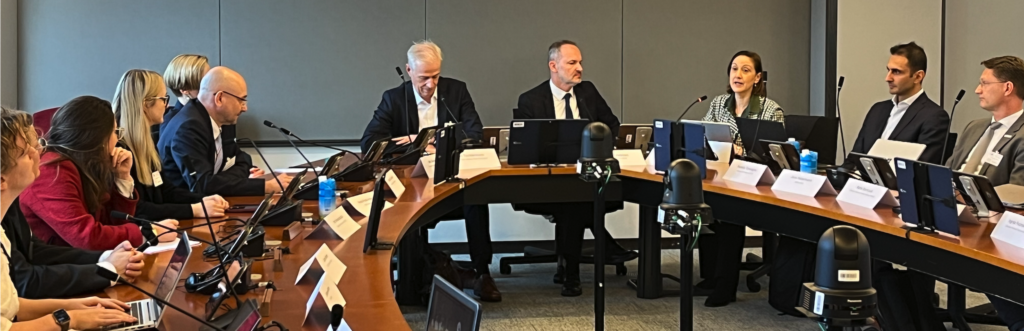
BRUSSELS—With the EOSC Federation now operational and EOSC’s future under the EU’s next Framework Programme for Research and Innovation (FP10) still being negotiated, policymakers and research leaders gathered at the European Parliament to discuss EOSC’s central role in realising Europe’s proposed “fifth freedom”—the free circulation of research, innovation and knowledge as envisioned by Enrico Letta’s 2024 report to the European Commission.
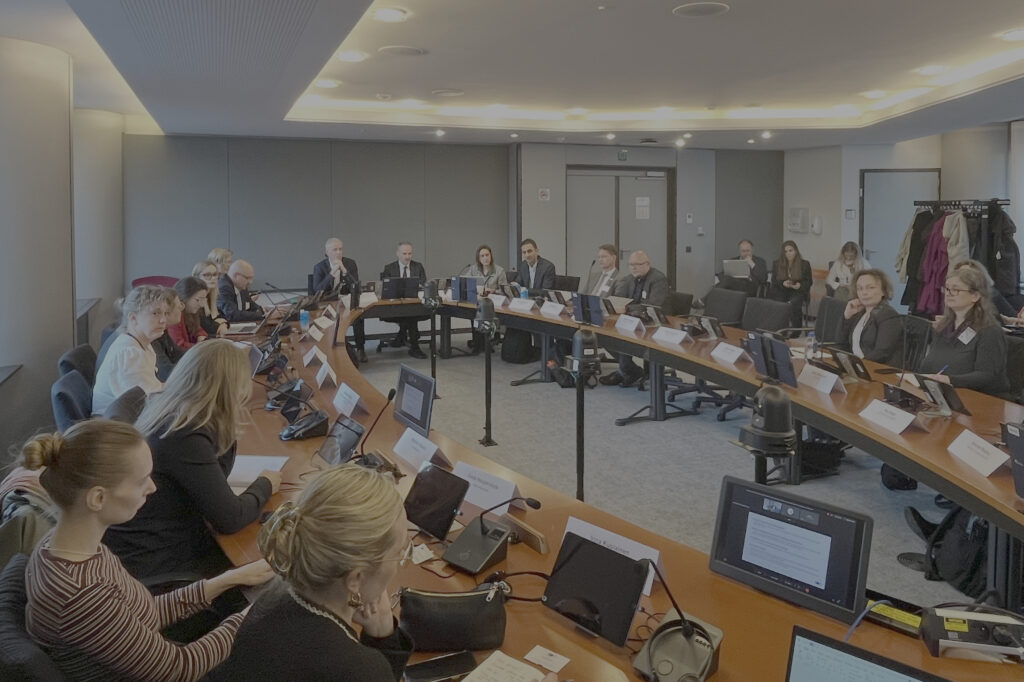
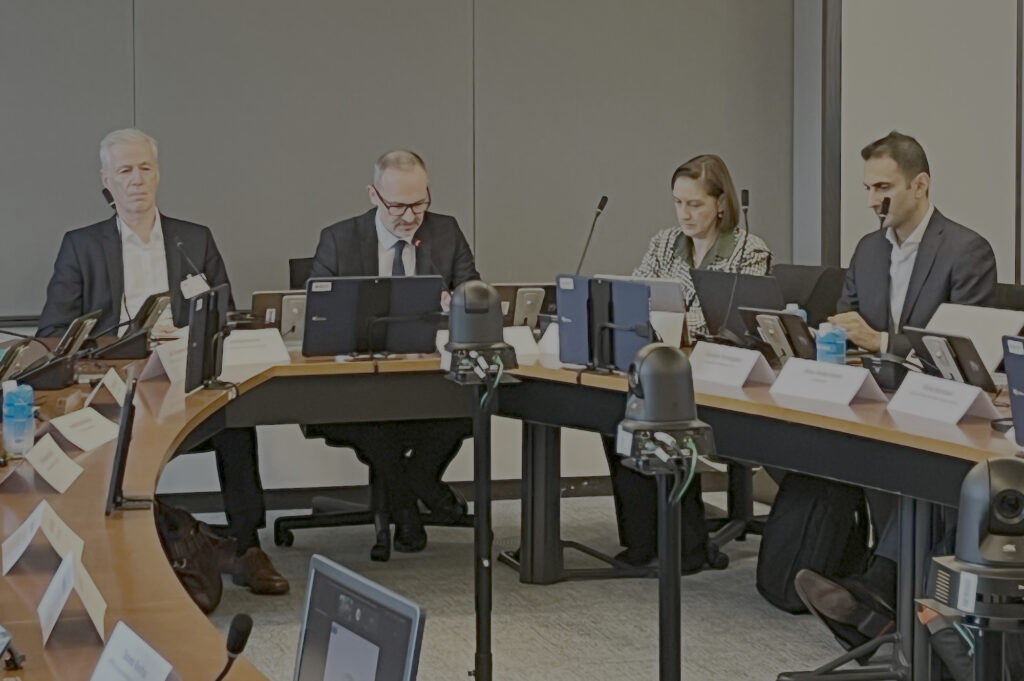
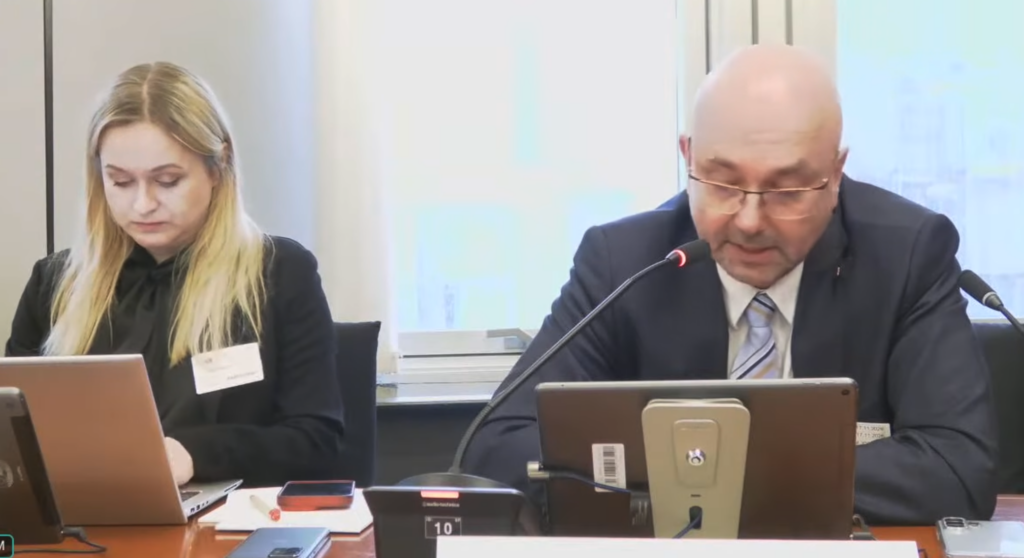
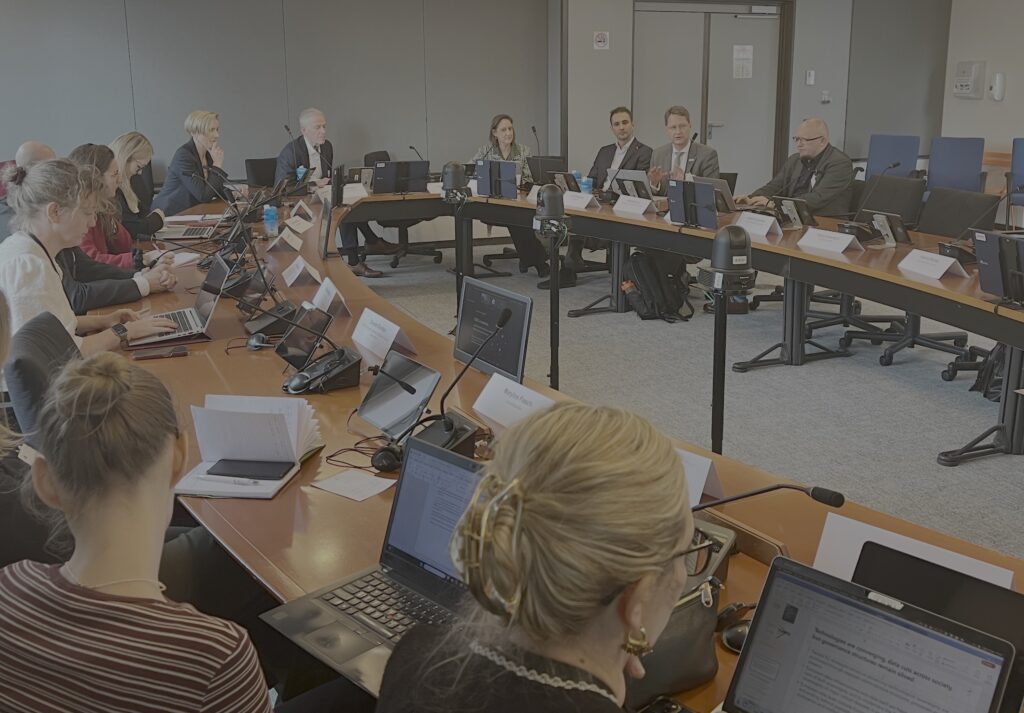
Hosted by Polish MEP Krzysztof Hetman and organised by the National Science Centre Poland (NCN), the EOSC Association (EOSC-A) and Science Europe, the event combined a strong political case for EOSC’s long-term sustainability with concrete evidence of its emerging scientific value, including auspicious early results from an EOSC Federation use case on cross-border cancer research.
Benefitting every field of science
Against the background of EOSC’s positioning in FP10, speakers made the case for securing EOSC’s long-term future through a distinct Work programme-based European Partnership, building on the investments, governance arrangements and operational capabilities already established. “The fifth freedom of knowledge does not only require political support,” stressed EOSC-A President Klaus Tochtermann. “It requires an infrastructure.”
Hetman opened the discussion by emphasising how EOSC enables equitable access to Europe’s research capabilities across borders, a central pillar in the development of Letta’s proposed European Knowledge Commons. Science Europe Secretary General Lidia Borrell-Damián followed Hetman by directly binding the significance of EOSC’s mode of implementation in FP10 to its ability to fulfil its promise. EOSC, she stated, is “the one and only” European Partnership on which Science Europe has adopted a dedicated position. “The value of the European Open Science Cloud as a [distinct Work Programme-based] partnership is because it serves every field of science,” she said.
Federating health data for better, faster cancer diagnosis
Early detection and more equal access to diagnosis remain central objectives of Europe’s Beating Cancer Plan and the EU Mission on Cancer. Yet translating advances in artificial intelligence (AI) into reliable clinical tools requires diverse, high-quality patient data, often distributed across hospitals and national healthcare systems.
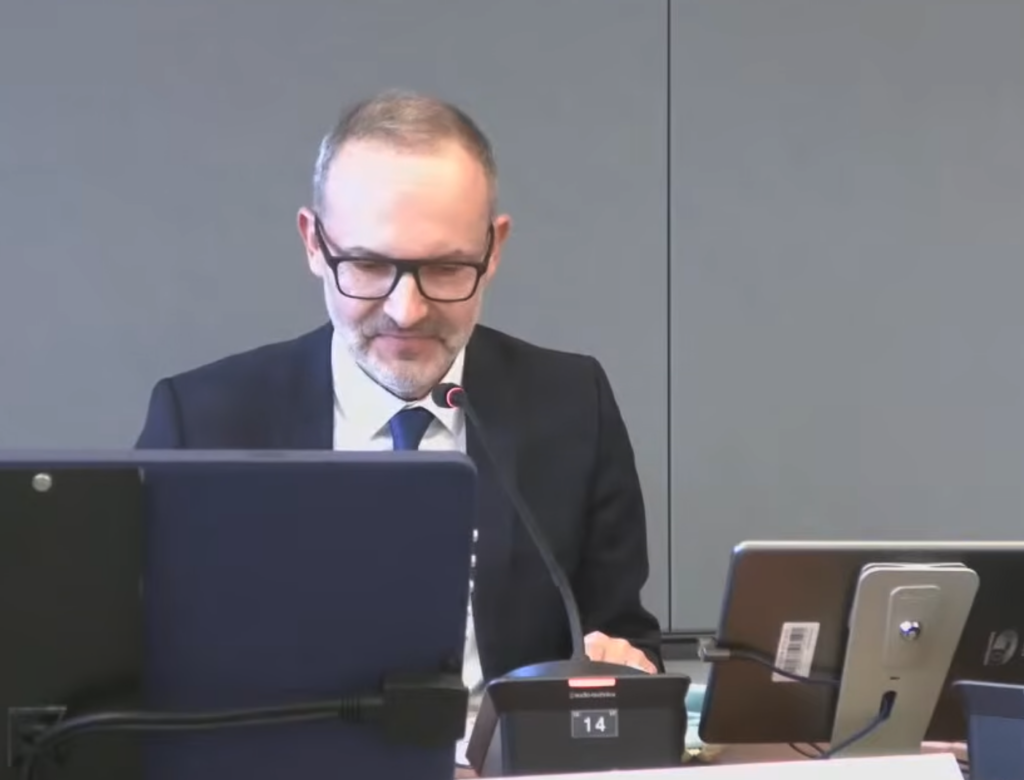
Jens Habermann, Director General of the European biobanking infrastructure BBMRI-ERIC, took the floor to demonstrate how the EOSC Federation can help overcome these barriers. The BBMRI-ERIC EOSC Node’s multi-centric validation of AI models for prostate-cancer screening (MCVAL) use case connects an AI model developed at the Masaryk Memorial Cancer Institute in the Czech Republic with patient data from the Medical University of Graz in Austria and secure computing capabilities at ICSC connected through the Italian EOSC Node.
The use case’s early results are auspicious. The model achieved 100% sensitivity and 94% specificity in its original evaluation, while all positive cases examined so far in the Austrian dataset were correctly identified. Habermann cautioned that considerably larger datasets and further external validation are required before clinical deployment.
The greater significance, however, lies in the use case’s indication of what the EOSC Federation makes possible. AI models can be tested against sensitive health data held across multiple countries without centralising patient information. This could improve diagnostic reliability, enable more representative research, and accelerate personalised medicine. As Habermann put it, “Decades of hospital archives become usable for trustworthy European AI, analysed only in certified secure environments.”
The potential extends well beyond prostate cancer. BBMRI-ERIC alone connects some 500 biobanks representing 10 million citizens across 33 countries. Federating such resources opens possibilities for research into rare diseases and other conditions where individual hospitals cannot assemble sufficiently large or diverse patient cohorts.
This provides a concrete connection to the developing European Health Data Space (EHDS), whose framework for regulated secondary use of health data is scheduled to become operational in March 2029. Irini Kessissoglou of the Commission’s Directorate-General for Health and Food Safety (DG SANTE) joined the discussion to identify areas where EOSC can underpin EHDS implementation, from secure processing environments to interoperable research services. She emphasised the position of EOSC as a fundamental prerequisite for establishing the EHDS: “You cannot do good research if you don’t have good data quality at source.”
EOSC can provide tools to improve that quality and support the scientific reuse of health data under appropriate safeguards. Kessissoglou described EHDS as, in effect, a field-specific part of the wider EOSC vision, identifying opportunities for thematic Nodes and research infrastructures to participate in its implementation.
Safeguarding Europe’s data assets, leveraging national investments, and securing EOSC’s future
The wider policy discussion reinforced how the Federation can serve Europe’s scientific sovereignty and resilience. Pantelis Tziveloglou, representing the Commission’s Directorate-General for Research and Innovation, situated EOSC within European strategies for research infrastructures, AI and data sovereignty, recalling the substantial national and European investments already mobilised for EOSC, about 80% of which, he noted, have come from the Member States and Associated Countries.
Aneta Pazik-Aybar, Co-Chair of the EOSC Steering Board and Head of Open Science at NCN, emphasised that the value of national investments depends on research outputs remaining discoverable, understandable and reusable. Responsible Open Science, including protection of sensitive data, provides the foundation for knowledge circulation and trustworthy AI.
Four interventions from the audience broadened the discussion. Kathrin Winkler brought in the perspective of the German Research Foundation (DFG), emphasising the critical role of EOSC in Europe’s ambition for data sovereignty. “Sovereignty does not mean isolation or restricting scientific exchange,” she said. “On the contrary, it means having the freedom and capacity to cooperate without becoming dependent on individual providers, platforms and political jurisdictions.”
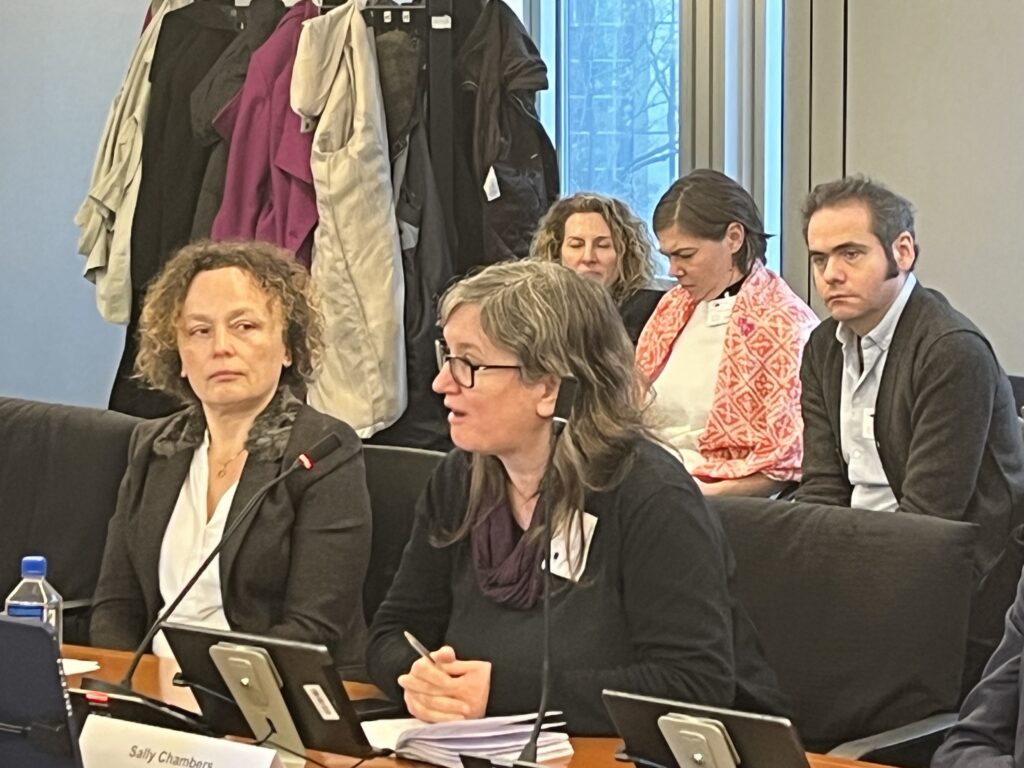
Irina Kupiainen of Finland’s CSC – IT Center for Science highlighted EOSC’s role in developing community and skills alongside technology and infrastructure, while DARIAH Director Sally Chambers emphasised EOSC’s role in connecting disciplines and research infrastructures. Finally, Rafał Bartczuk, from Warsaw’s Children’s Memorial Health Institute and a member of EOSC-A’s Health Data Task Force, illustrated the potential of cross-border federated data for paediatric rare-disease research.
Krzysztof Jóźwiak, Director of NCN, reached for a common thread by making the political challenge explicit: Europe’s existing research capabilities, and EOSC’s future, must be sustained rather than continually rebuilt through isolated projects. He argued that a distinct Work Programme-based European Partnership was the best instrument to provide EOSC with predictable funding, clear responsibilities, and accountable governance beyond 2027.
Tochtermann closed the event with an appeal for the importance of continuing EOSC’s Tripartite Governance through such a partnership, which would ensure an equal voice for the Commission, the countries and, importantly, the research community.
The EOSC Federation is already demonstrating how Europe’s fifth freedom can work in practice, the challenge now is to ensure that the infrastructure, expertise and investments making it possible can continue without interruption.