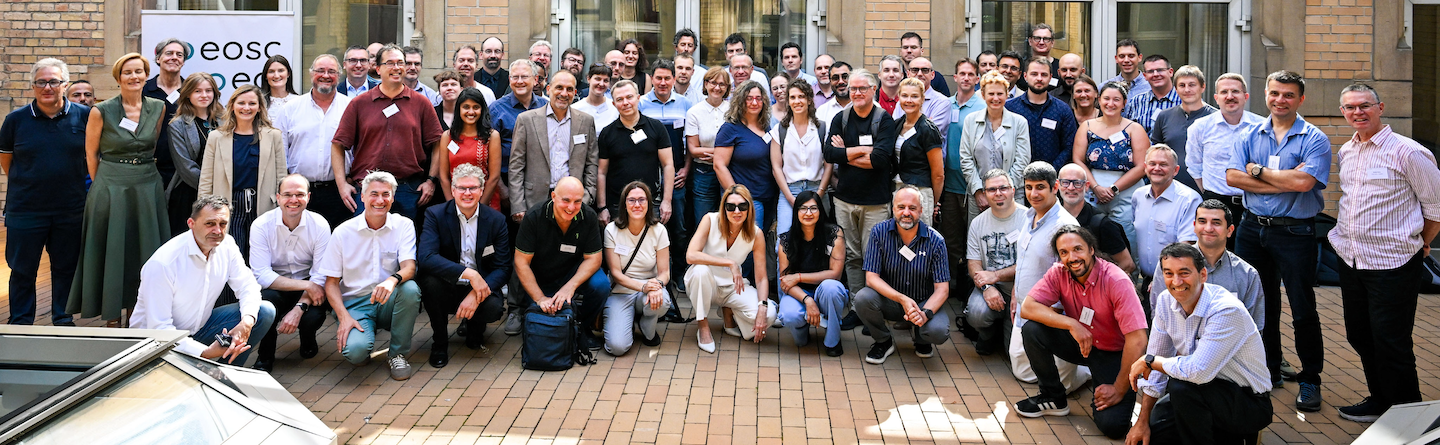
KARLSRUHE — At its face-to-face meeting on 08–09 September 2026, the EOSC Federation’s Build-up Group established key operational milestones for the Federation’s anticipated transition to operations.
With the October EOSC Symposium 2026 as the target milestone, discussions focused on agreeing the minimum production criteria and identifying which EOSC Nodes are positioned to achieve production status in 2026.
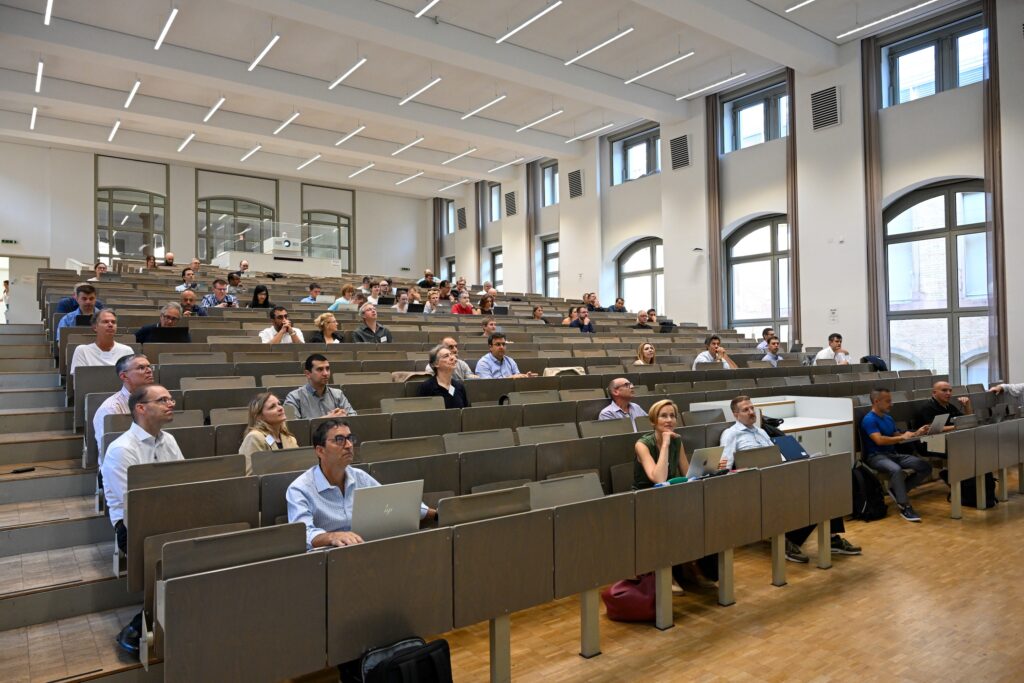
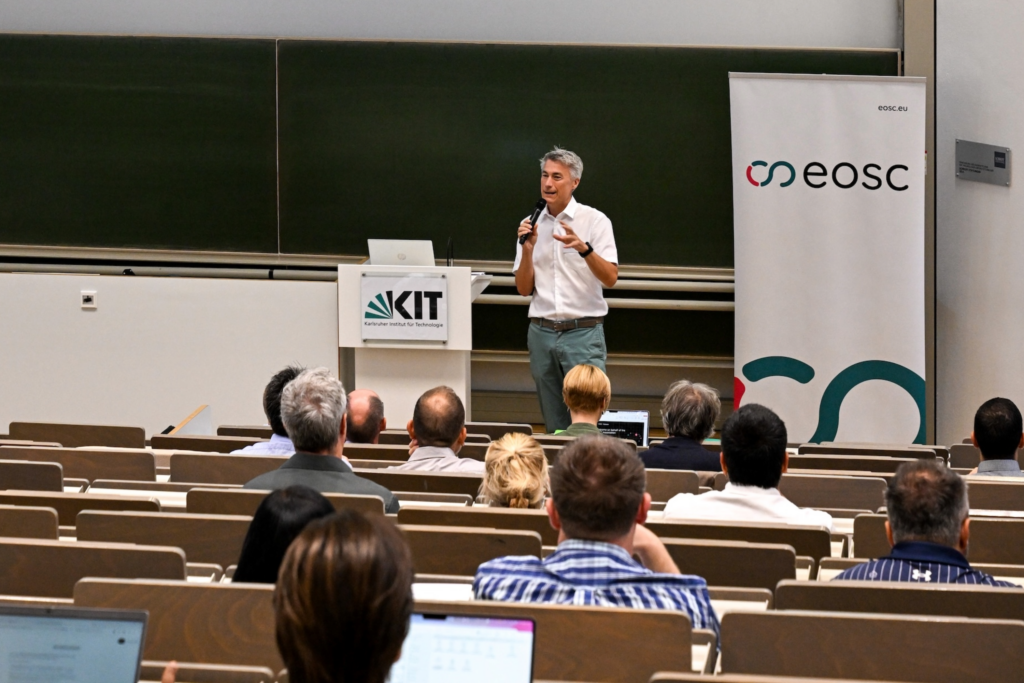
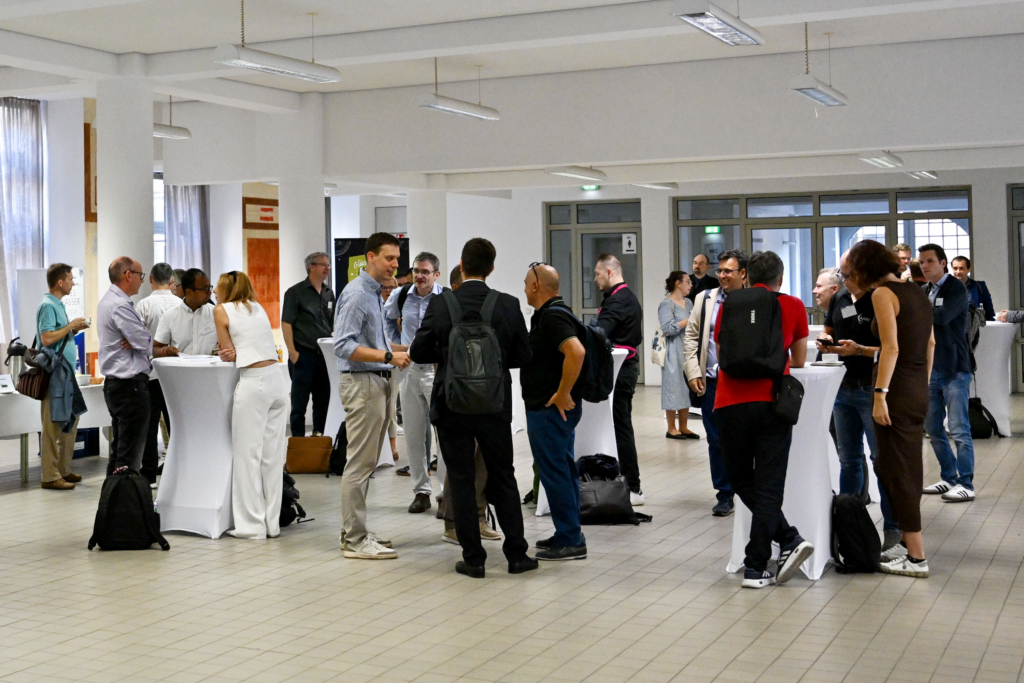
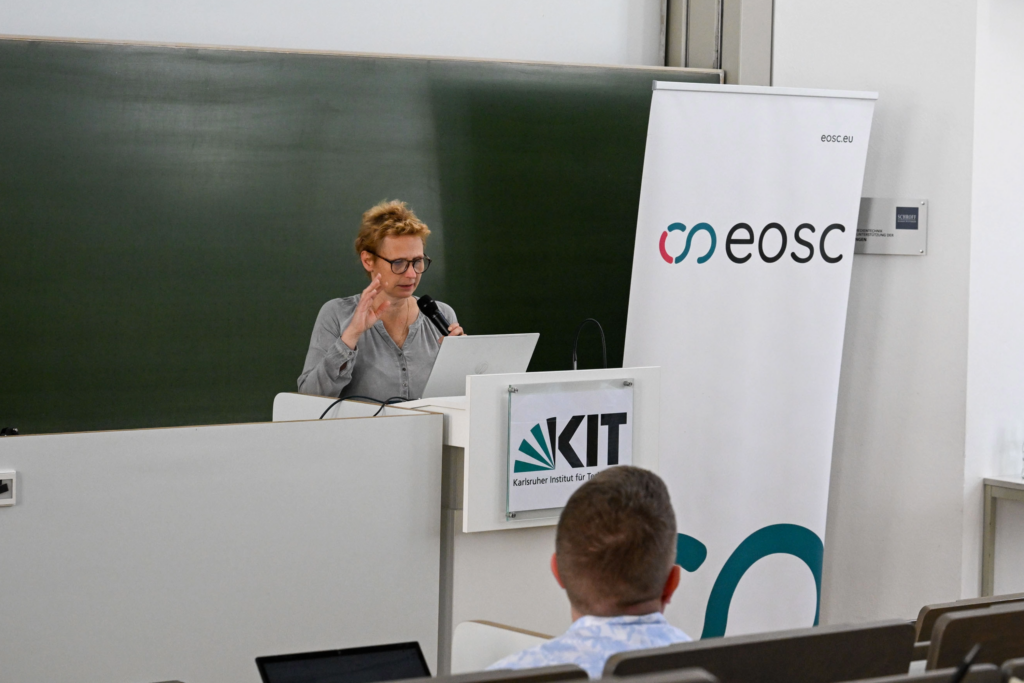
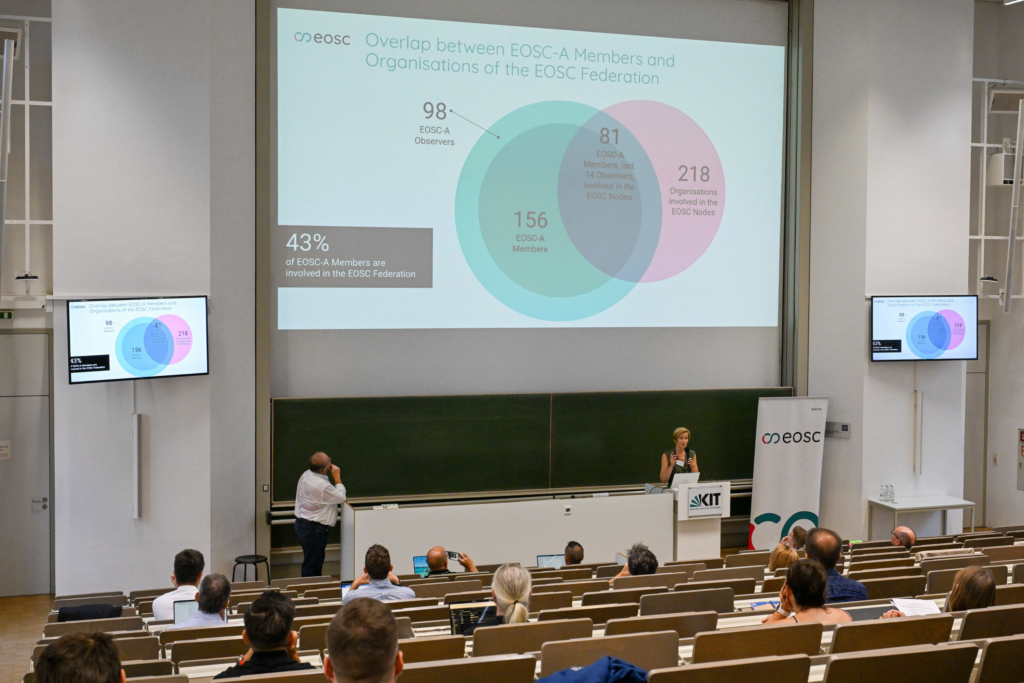
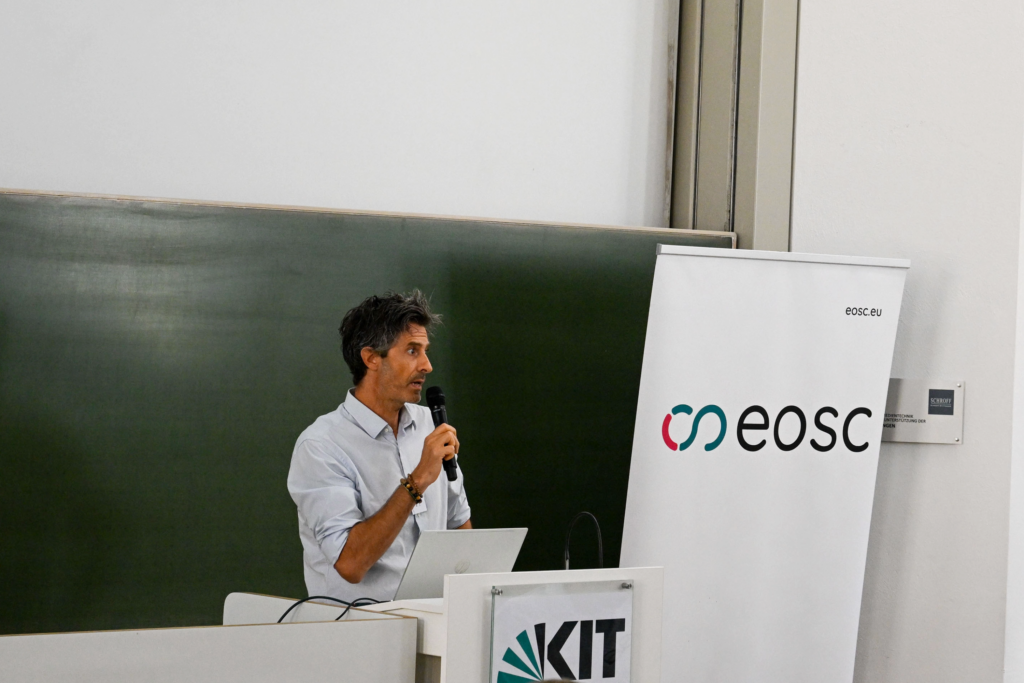
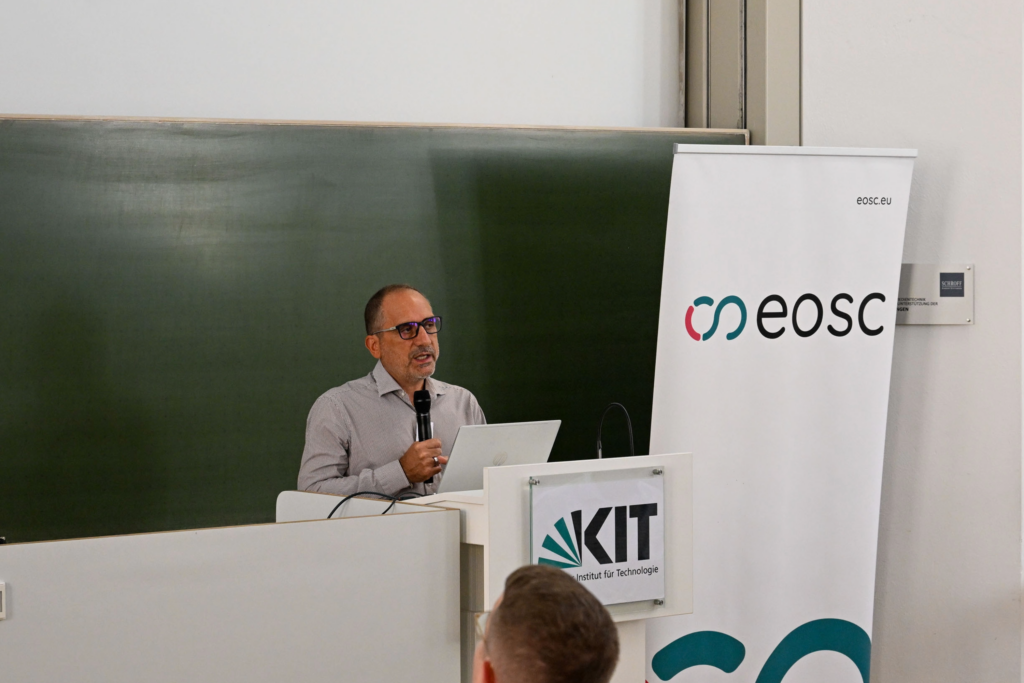
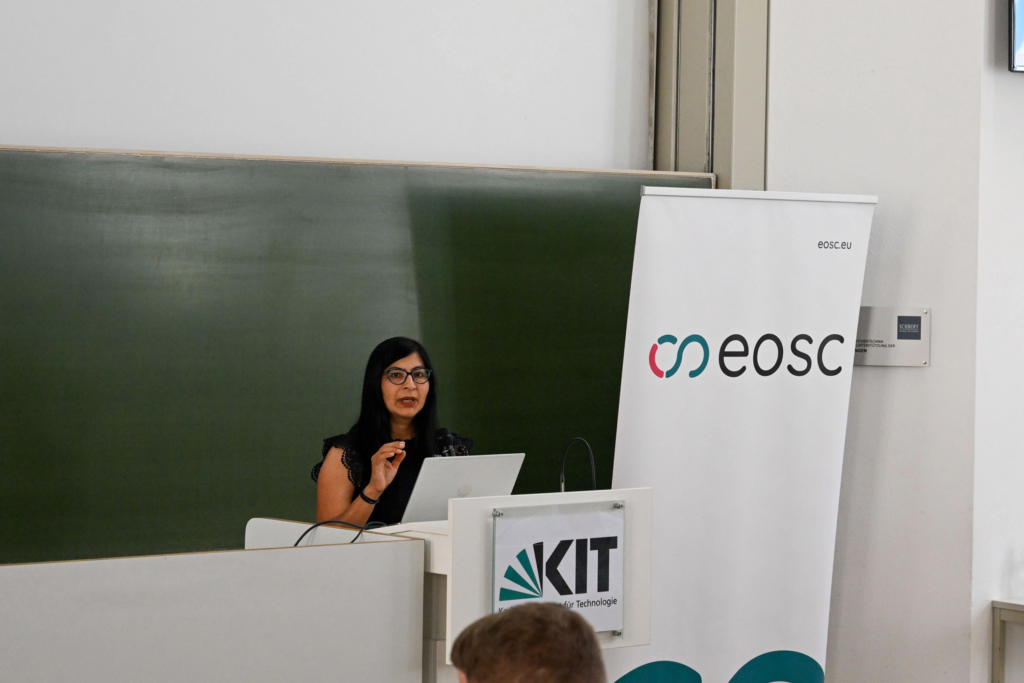
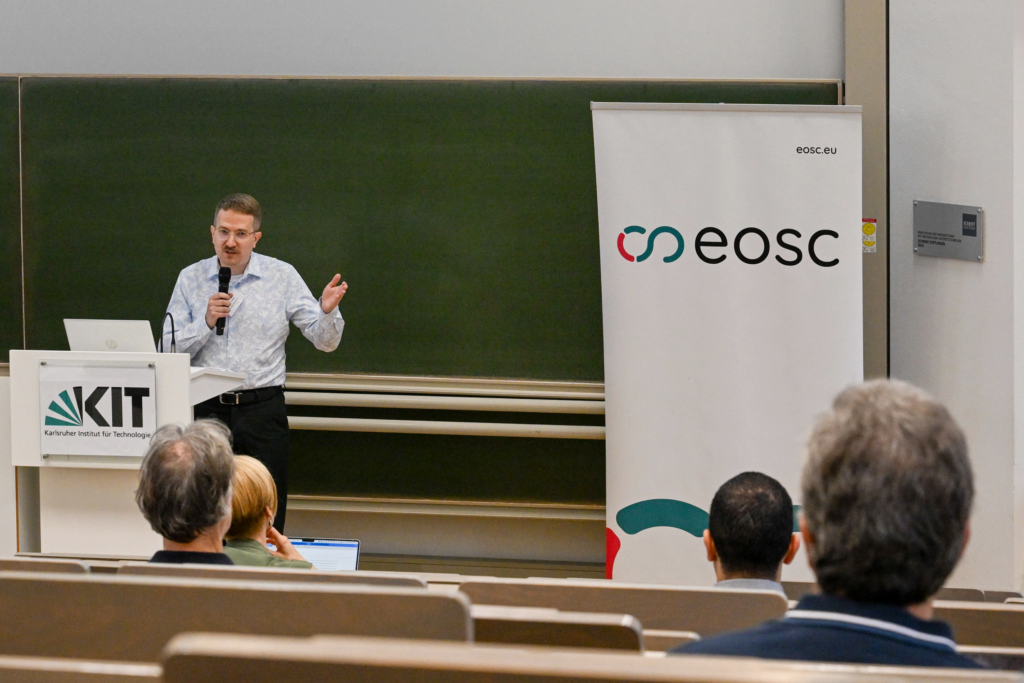
Hosted in Karlsruhe, Germany at the Karlsruhe Institute of Technology (KIT), the two-day meeting was convened at the invitation of EOSC Node Germany and its coordinating organisation, the German National Research Data Infrastructure (NFDI), together with EOSC Node EUDAT. It brought together delegates from candidate EOSC Nodes, the EOSC Association (EOSC-A), the European Commission (EC), and the EOSC EU Node.
Transition to production and Node registration
The primary focus of the meeting were the immediate objectives to deliver a production-grade Federation ahead of the EOSC Symposium and to position the Federation for upcoming European funding opportunities. The transition framework outlined a 10-point checklist for the initial production phase, emphasising the mandatory federating capabilities, a user-oriented approach, and baseline cybersecurity.
The EOSC EU Node, a Federation infrastructure node, reported on the status of EOSC Node registrations, reflecting that, on the whole, technical compliance regarding AAI and catalogues is progressing well. The next steps will focus on supporting the development of Node landing pages—which will serve as points of entry to each Node and the Federation generally—and their access policies, with the goal to provide a clearer distinction between which services are designed for users and which serve as underlying infrastructure.
Delegates agreed on working assumptions concerning policies and guidelines governing access to resources within the EOSC Federation. Access will be granted to national and local services and services operating on cost-recovery basis.
Several candidate EOSC Nodes confirmed their efforts to reach production readiness by the time of the Symposium. In preparation for the launch of the operational Federation at the EOSC Symposium on 14-16 October 2026, the participants agreed on weekly status updates.
Cybersecurity and legal frameworks
The Legal and Governance Working Group presented the latest draft of the Framework Agreement, which will establish the formal legal basis for participation in the EOSC Federation and support its long-term operations. Subject to formal approval in October 2026, the signing of the Agreement is expected to proceed on a rolling basis beginning in November 2026.
Next, the Cybersecurity Working Group gave an update on the baseline requirements, which are being finalised with feedback from the Node Operations Committee (NOC).
Operational coordination and working groups
The Node Coordinators Committee (NCC) has been gathering feedback to refine the production readiness checklist, and provided an update on the integration of helpdesk and monitoring services.
During a dedicated workshop, participants discussed the details of a robust Service Management System (SMS) at Node and Federation levels. It was agreed that each Node will assess its own readiness using FitSM maturity tools. These self-checks will help to identify improvements needed in operational configurations.
Finally, a new Working Group on Federated Computing and Storage was endorsed. It will support EOSC Nodes in sharing computing and storage resources by defining requirements for interoperability and identifying practical use case.
Building momentum for operational readiness
The meeting concluded with strong enthusiasm and full alignment across all Nodes on the roadmap towards operational readiness. In the coming weeks leading up to the EOSC Symposium, the focus will turn to the final preparations for launch.
To maintain this momentum, the group agreed to strengthen coordination across governing bodies and streamline the Node onboarding process.
Photographs by Markus Getto, NFDI e.V.