
Ocean monitoring for risk prevention and biodiversity conservation
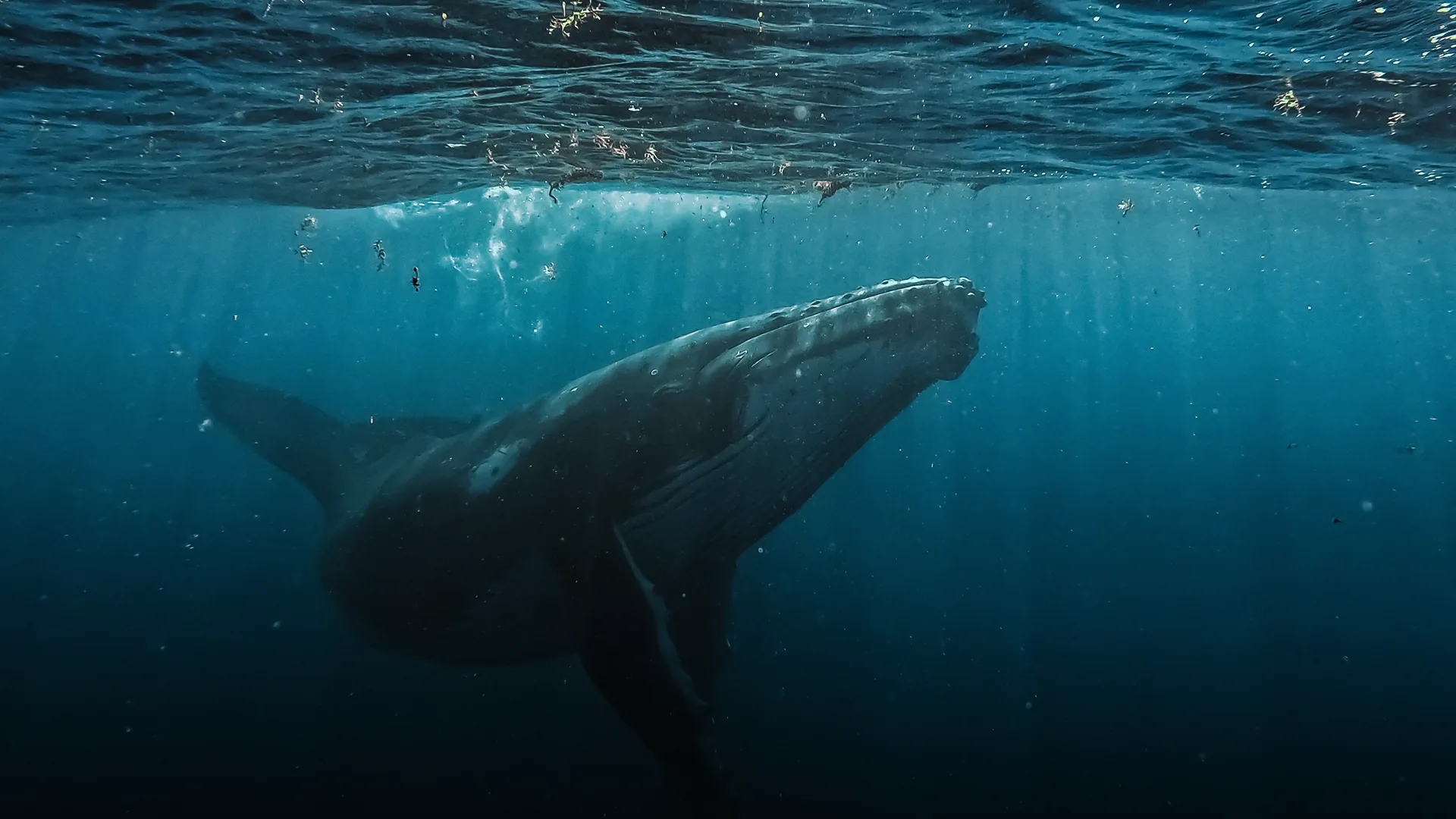
Addressing risk mitigation for instances such as ship-whale collisions and delayed detection and warning of underwater seismic events, via DAS technologies to enable large-scale, real-time monitoring of marine geohazards and biodiversity.




Scientific impact
This use case addresses risk mitigation in instances including ship-whale collisions and delayed detection and warning of underwater seismic events to enable large-scale, real-time monitoring of marine geohazards and biodiversity.
It will advance interdisciplinary marine research by leveraging DAS technologies for real-time ocean monitoring, improved understanding of marine ecosystems, early detection of underwater geohazards, and biodiversity conservation.
Problem addressed
DAS technologies enable large-scale, real-time monitoring of marine geohazards and biodiversity. The goal of the use case is to provide key information to mitigate risks such as ship-whale collisions and delayed detection and warning of underwater seismic events.
Technical approach
Integrate DAS technologies with the EOSC Federation’s distributed computing, data management, and analytical capabilities to enable scalable, near-real-time processing of underwater acoustic signals, AI-based detection of marine mammals (e.g. whales) and seismic events, and interoperable data sharing across participating EOSC Nodes.
Target audience and value to users
Target Audience: Marine scientists, oceanographers, biodiversity researchers, environmental monitoring agencies, maritime authorities, policymakers, industry, technology providers, citizen scientists, and marine conservation organisations.
Value to users: Provides timely, actionable information to support early warning of underwater seismic events, reduce ship–whale collisions, improve maritime safety, and enable evidence-based marine conservation and risk prevention.
Added value of the EOSC Federation
Enables federated access to interoperable marine data, distributed computing resources, scientific tools, and expertise across EOSC Nodes, facilitating cross-disciplinary collaboration, scalable DAS data processing, and the reuse of scientific workflows and research results across European marine research infrastructures.
Related Horizon Europe projects

Status
In-progressCoordinator
Aljaz Maslo, EMSO ERIC
Scientific Coordination (overall coordination of the scientific use case and liaison between UPC and PLOCAN)