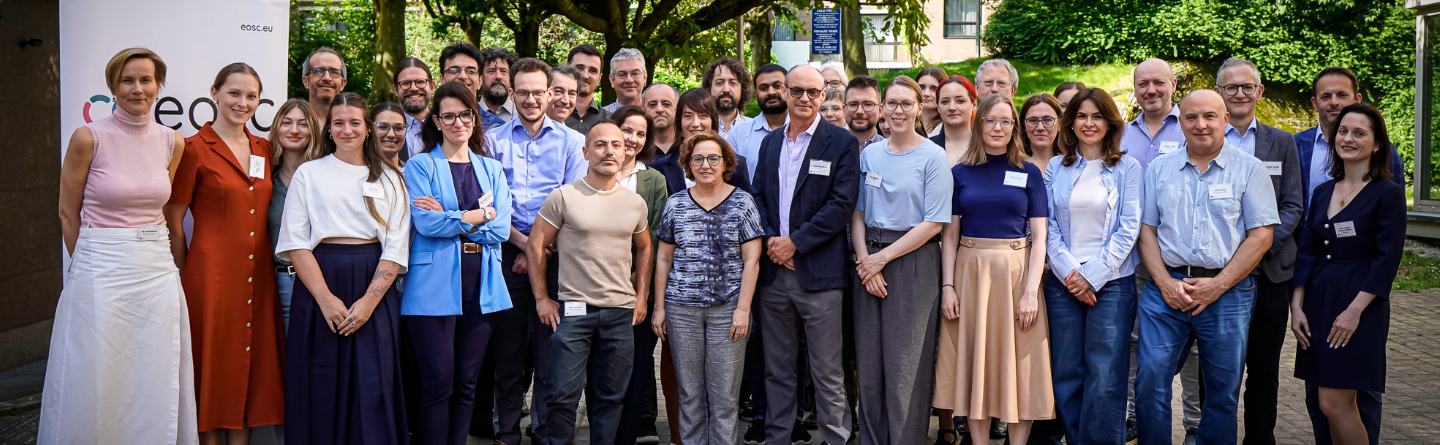
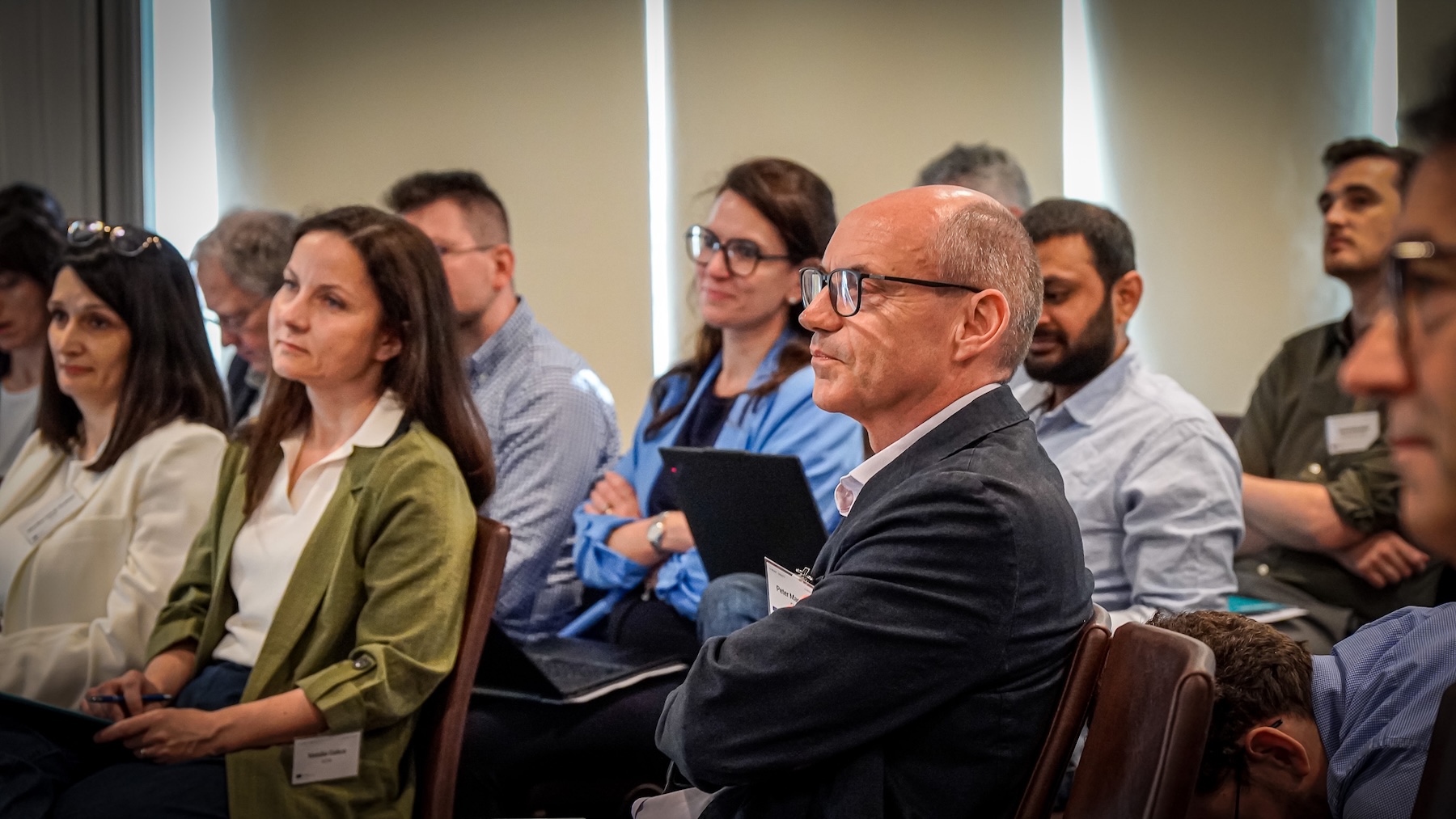
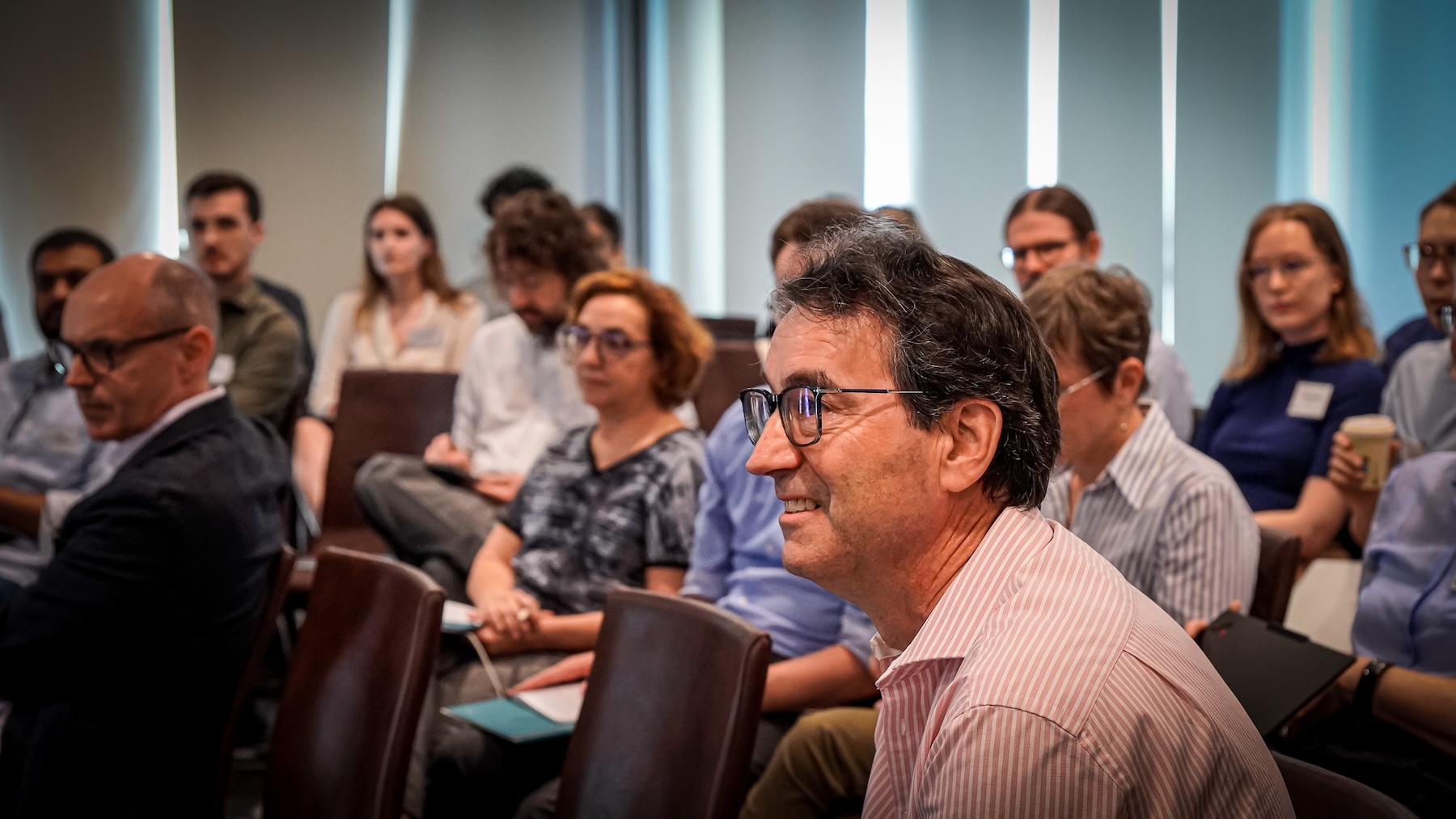
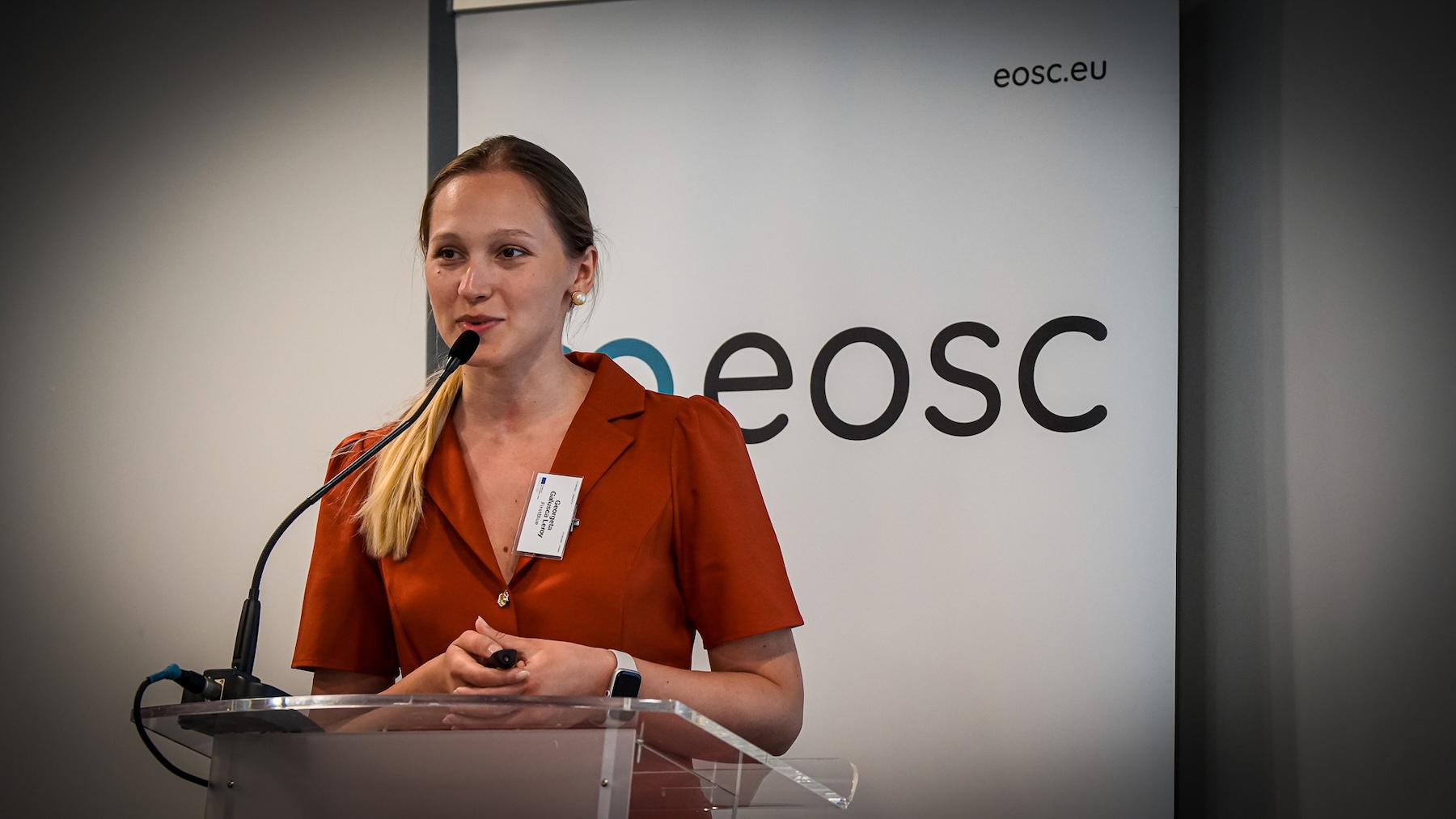
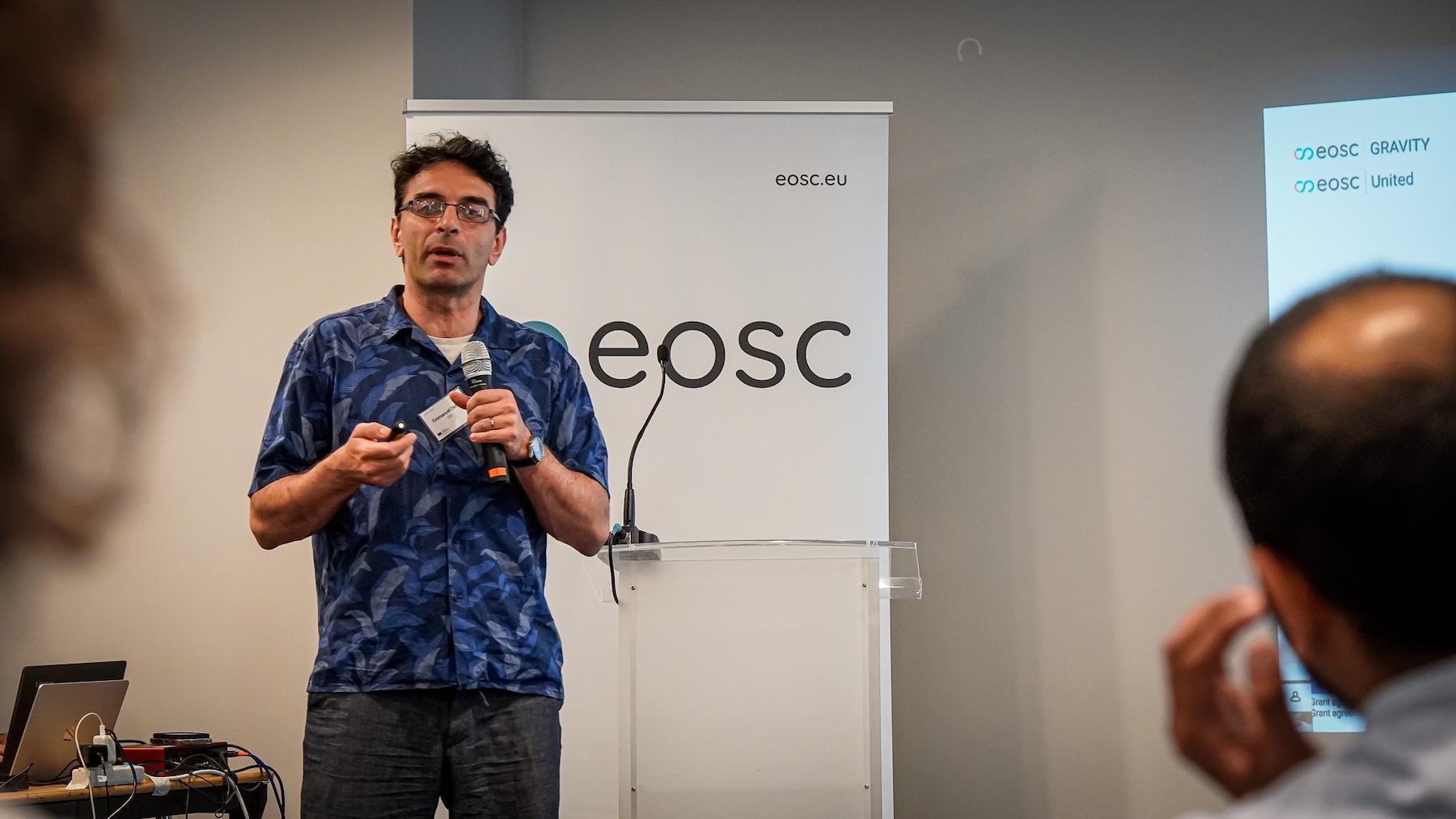
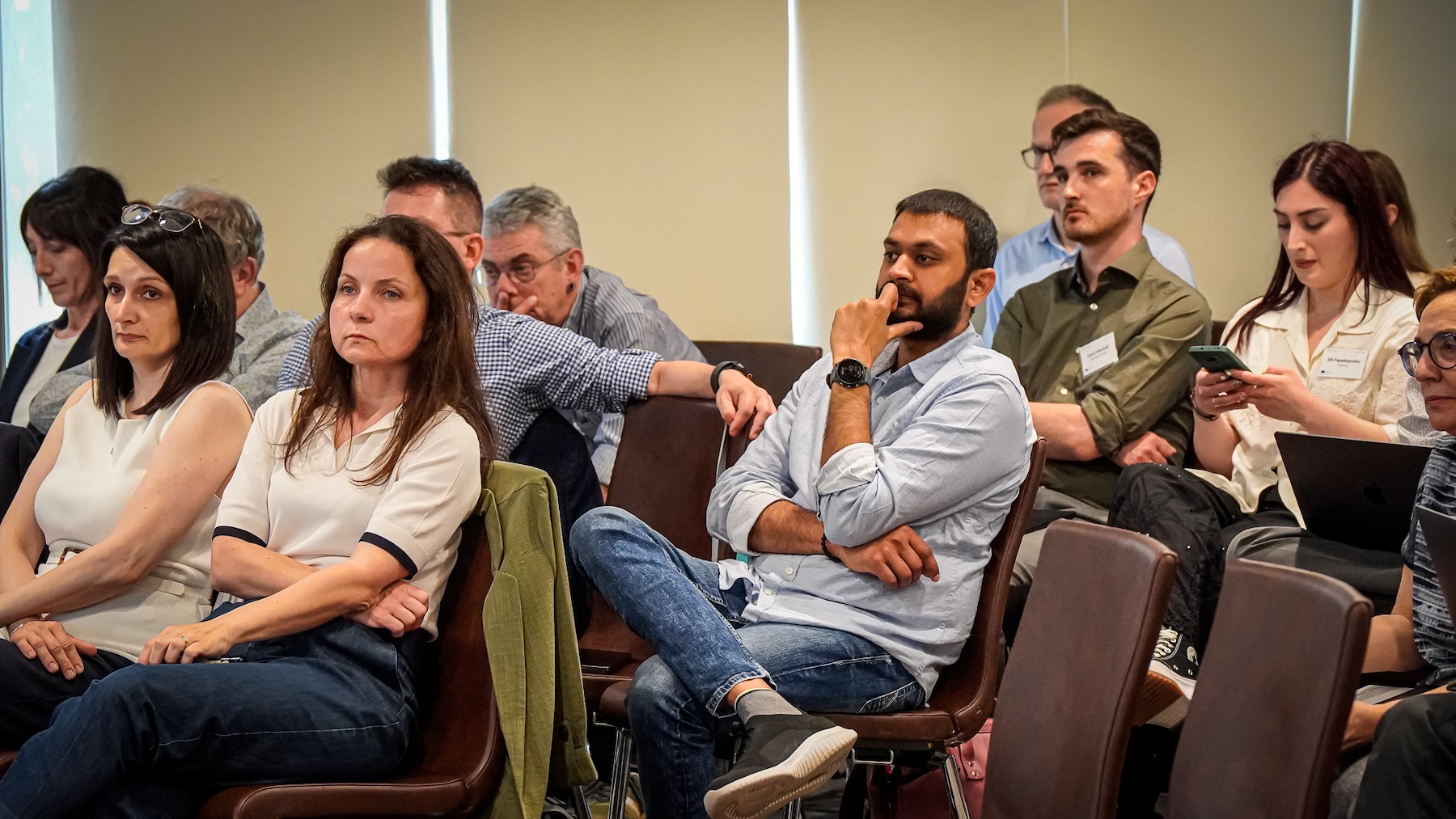
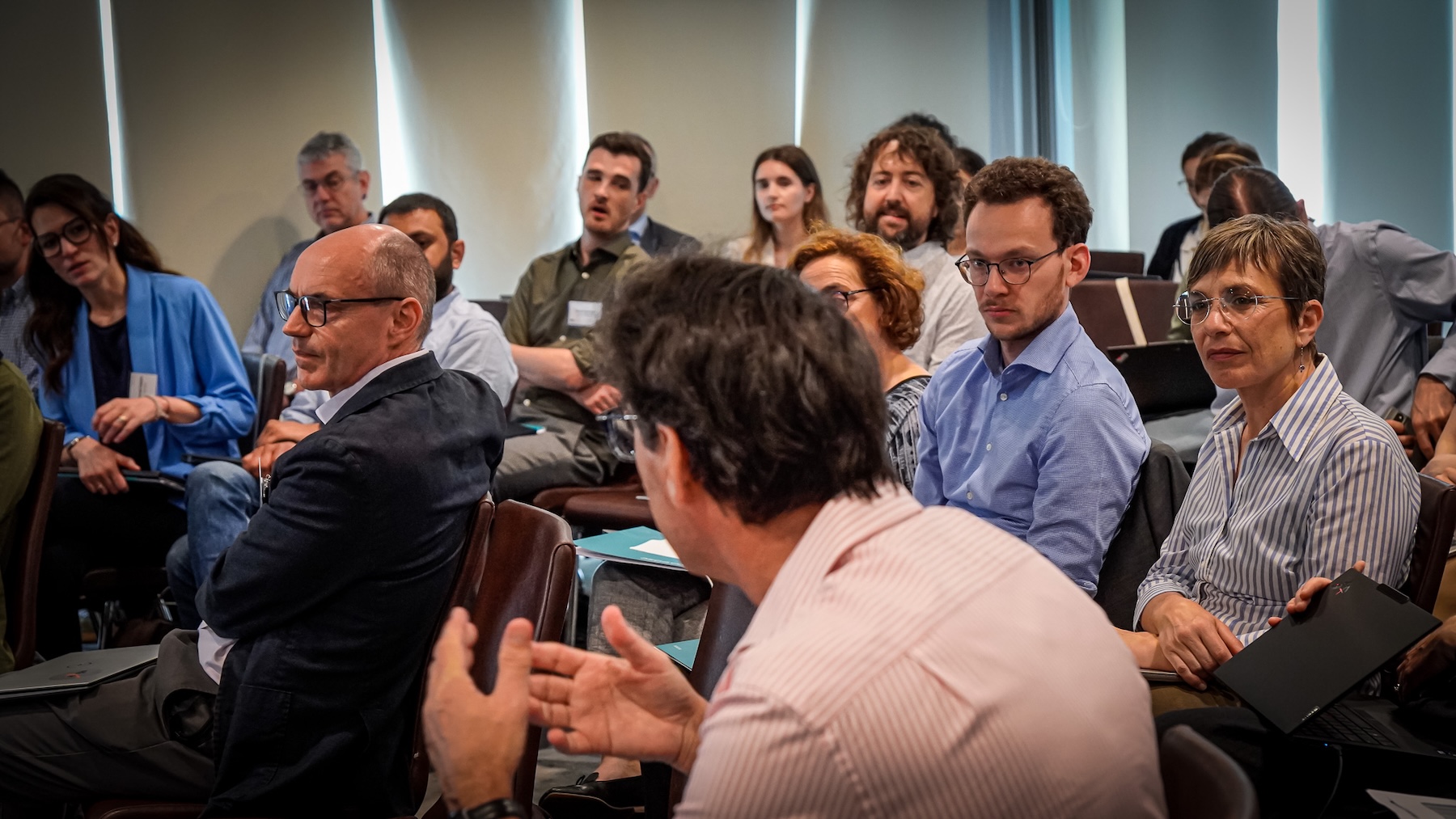
BRUSSELS – Representatives of the EOSC United and EOSC Gravity consortia met in Brussels on 27 May 2026 for their first joint General Assembly. Bringing together more than 40 participants from across Europe, the meeting provided an opportunity to review progress, coordinate upcoming activities, and align efforts supporting both the EOSC Federation and the EOSC Partnership.
Coordinated by the EOSC Association (EOSC-A), the two projects address complementary objectives. EOSC United, currently in its 10th month of implementation, focuses on the advancement of the EOSC Federation and the uptake of its services. EOSC Gravity, which has just completed its first year, is preparing the strategic foundations to support the transition of the European co-programmed Partnership for EOSC into its new governance and funding model under EU’s next Framework Programme for Research and Innovation (FP10).
Strengthening delivery in a changing landscape
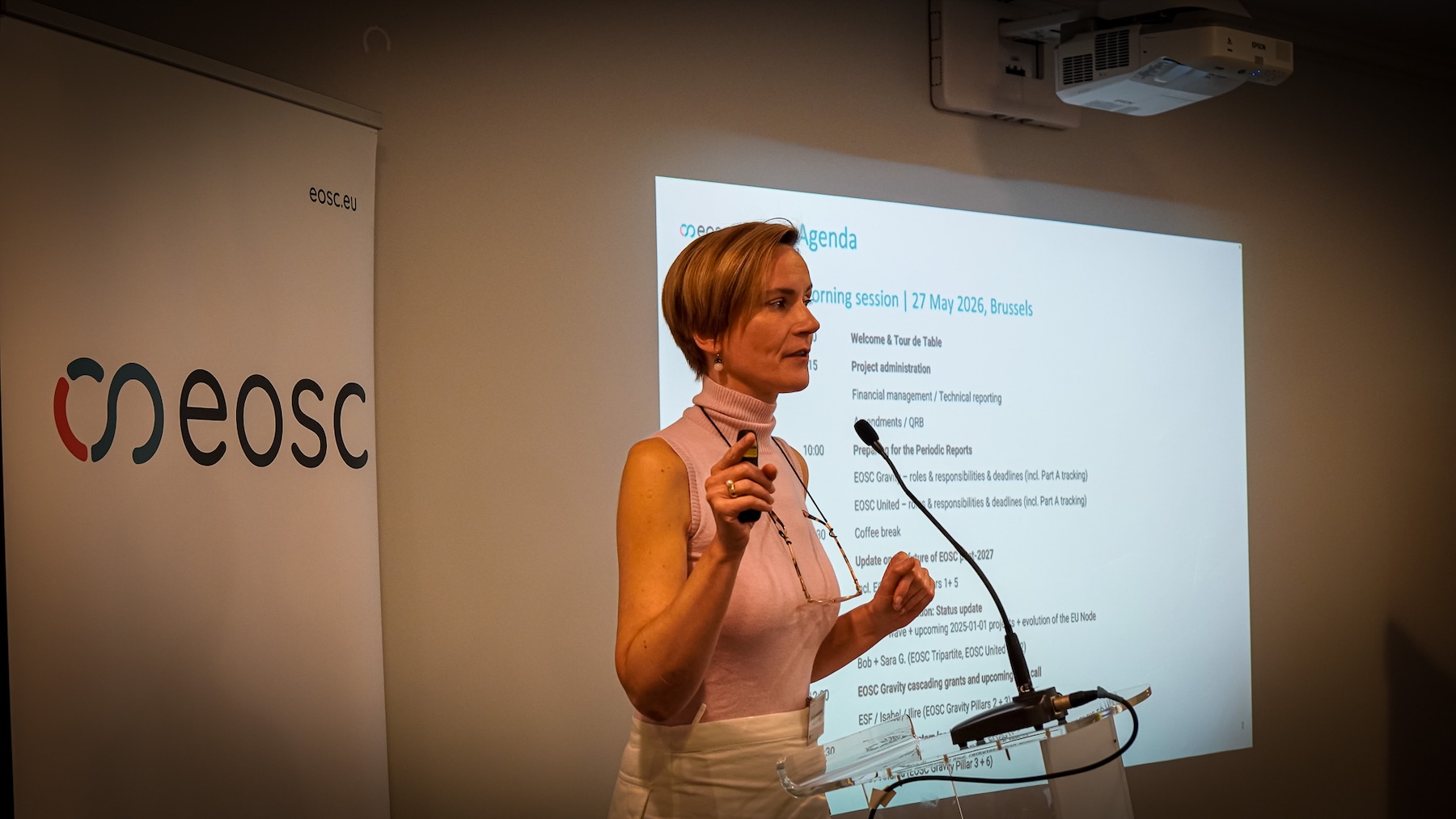
Opening the meeting, EOSC-A Secretary General Ute Gunsenheimer and EOSC Federation Special Envoy Bob Jones, who coordinate EOSC Gravity and EOSC United respectively, highlighted the importance of close collaboration as both projects enter a critical phase of implementation.
A significant part of the day focused on project management, financial reporting and preparations for upcoming review periods. Participants discussed reporting timelines, responsibilities and internal review processes. As the EOSC landscape continues to evolve, both projects must be able to respond to emerging policy developments, Federation requirements and stakeholder expectations while maintaining momentum towards their objectives.
Preparing EOSC for a sustainable future post-2027
As discussions about FP10 and EOSC’s place in the framework programme intensify, a part of the meeting focused on the period post-2027. In this regards, EOSC Gravity supports the revision of the EOSC Strategic Research and Innovation Agenda (SRIA 2.0), which will help to define EOSC’s priorities and ambitions for the remainder of the decade. Participants reviewed progress on this work, including the outcomes of community consultation, facilitated by EOSC Gravity, that has helped identify the technological, policy and organisational challenges that EOSC will need to address in the coming years.
The consortium also discussed ongoing work to strengthen EOSC monitoring and impact assessment. Demonstrating the value of EOSC to policymakers, funders and Member States is of essential value. EOSC Gravity is contributing to this effort by collecting data about in-kind activities of the EOSC-A membership, supporting the development of monitoring frameworks, impact assessment methodologies and reporting mechanisms that will provide a clearer picture of EOSC’s and EOSC Federation’s reach and benefits across Europe.
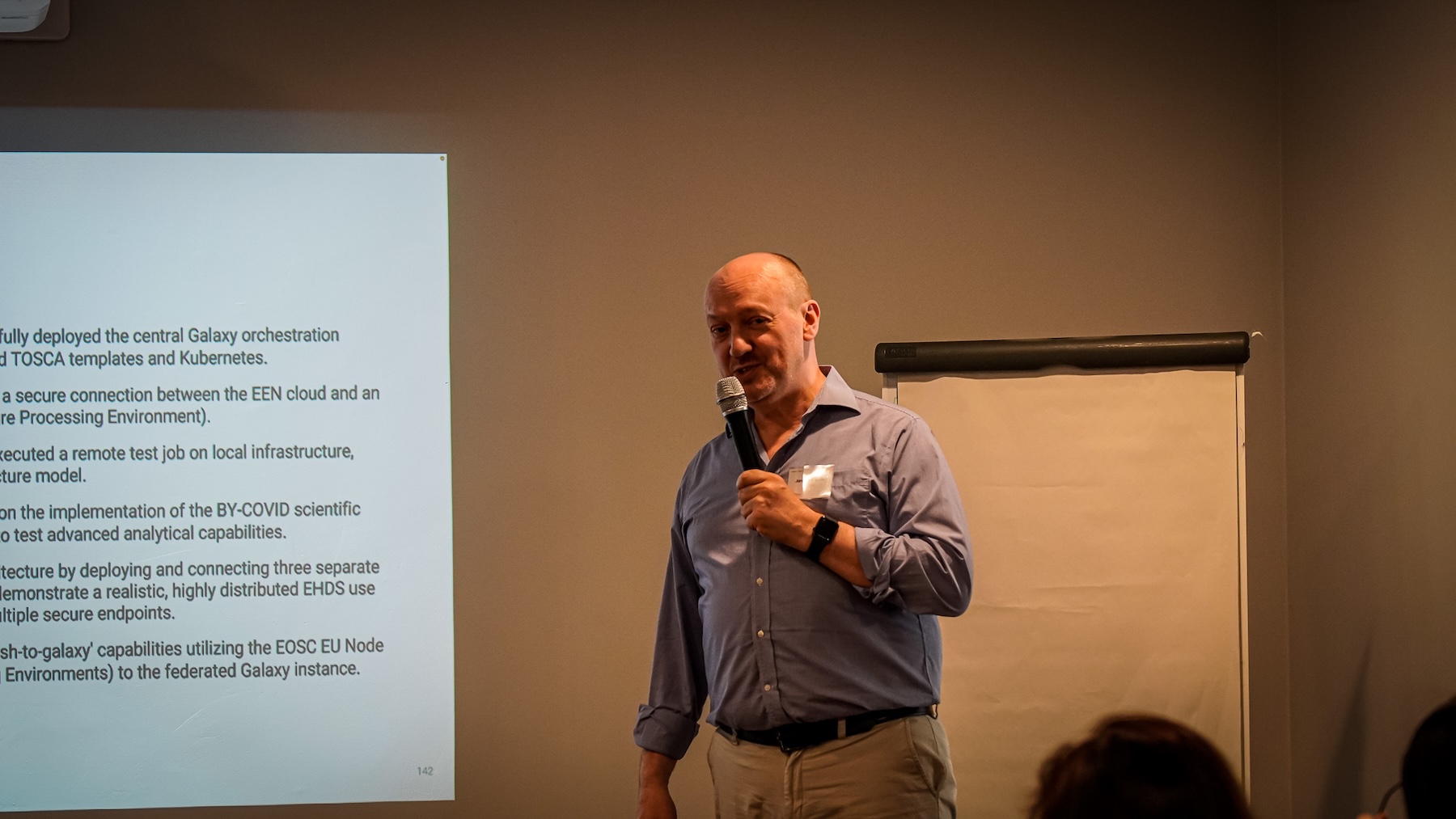
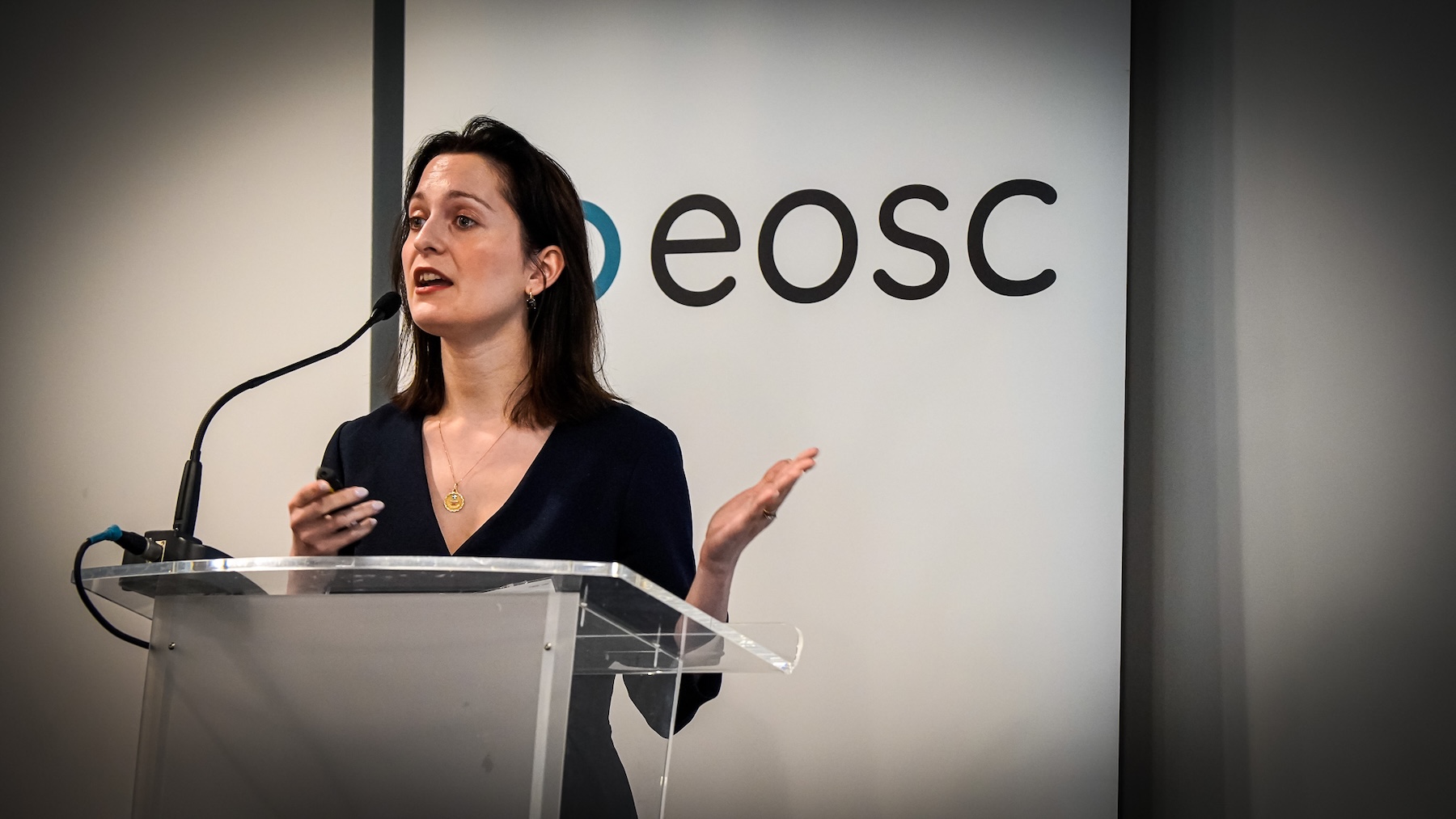
Cascading grants fuel the advancement of the EOSC Federation
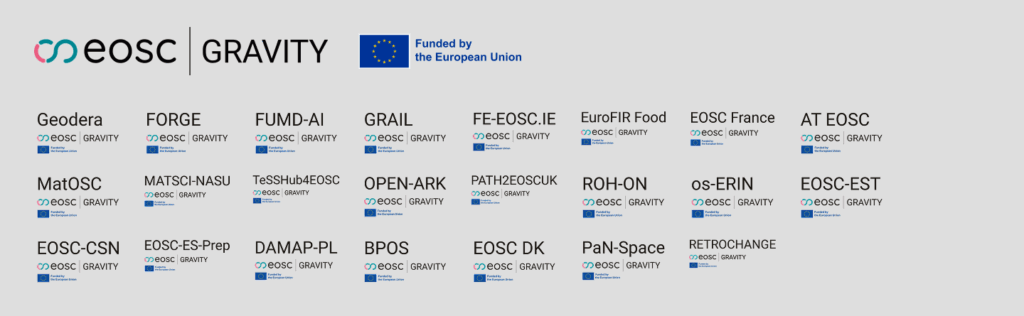
Partners also reviewed the timeline for implementation of EOSC Gravity cascading grant projects, which kicked off at the beginning of May and represent the project’s key instrument for expanding the scope of the EOSC Federation and broadening future participation.
The 23 cascading grant projects have cumulatively received nearly €1.15 million to address a diverse range of scientific use cases and technical services and support new applications for future expansion calls. It was decided that two events showcasing the projects results will be organised in autumn and will be followed by the opening of the final call for proposals under EOSC Gravity in early 2027.
Enhancing EOSC Federation capabilities and governance
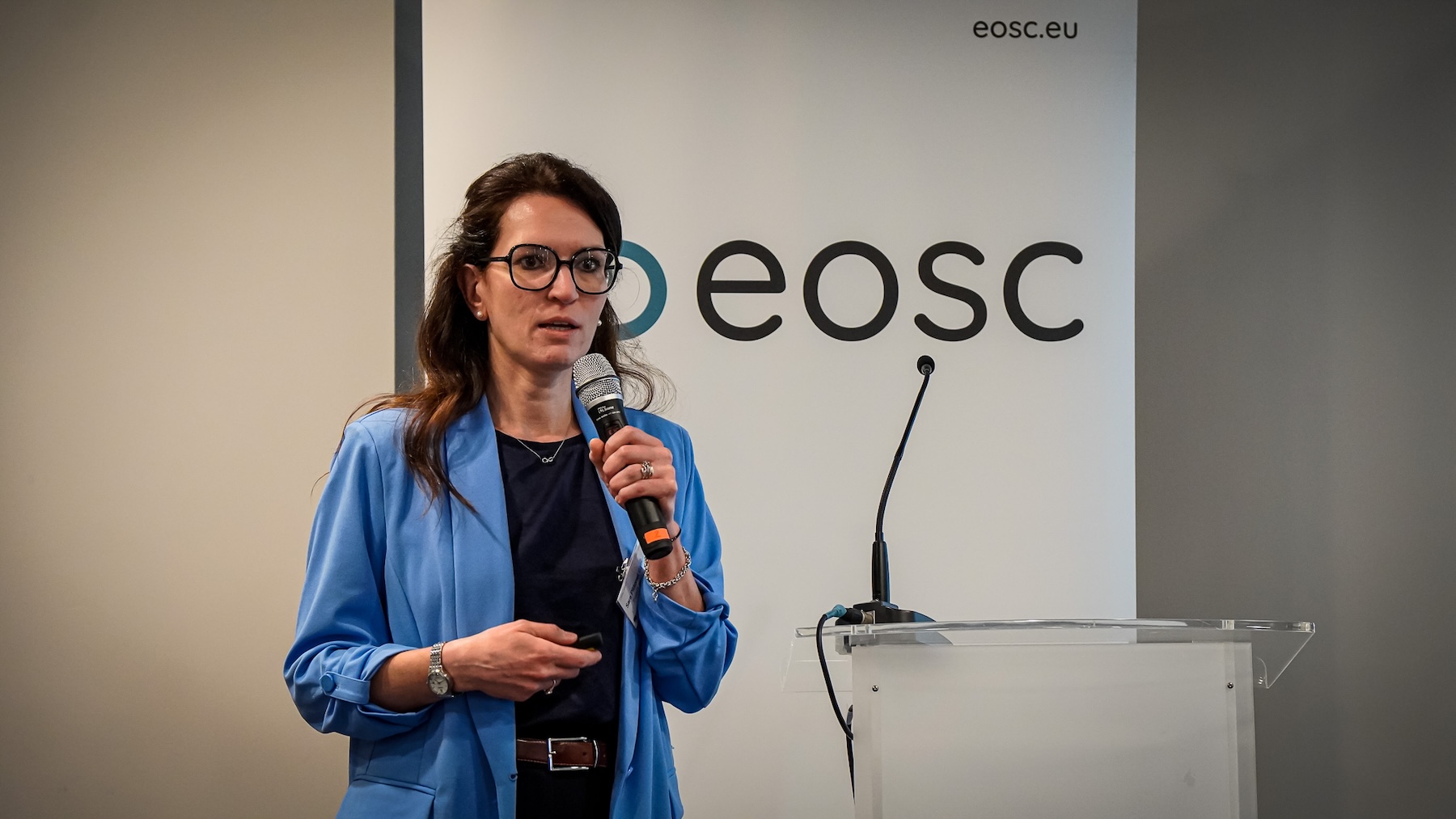
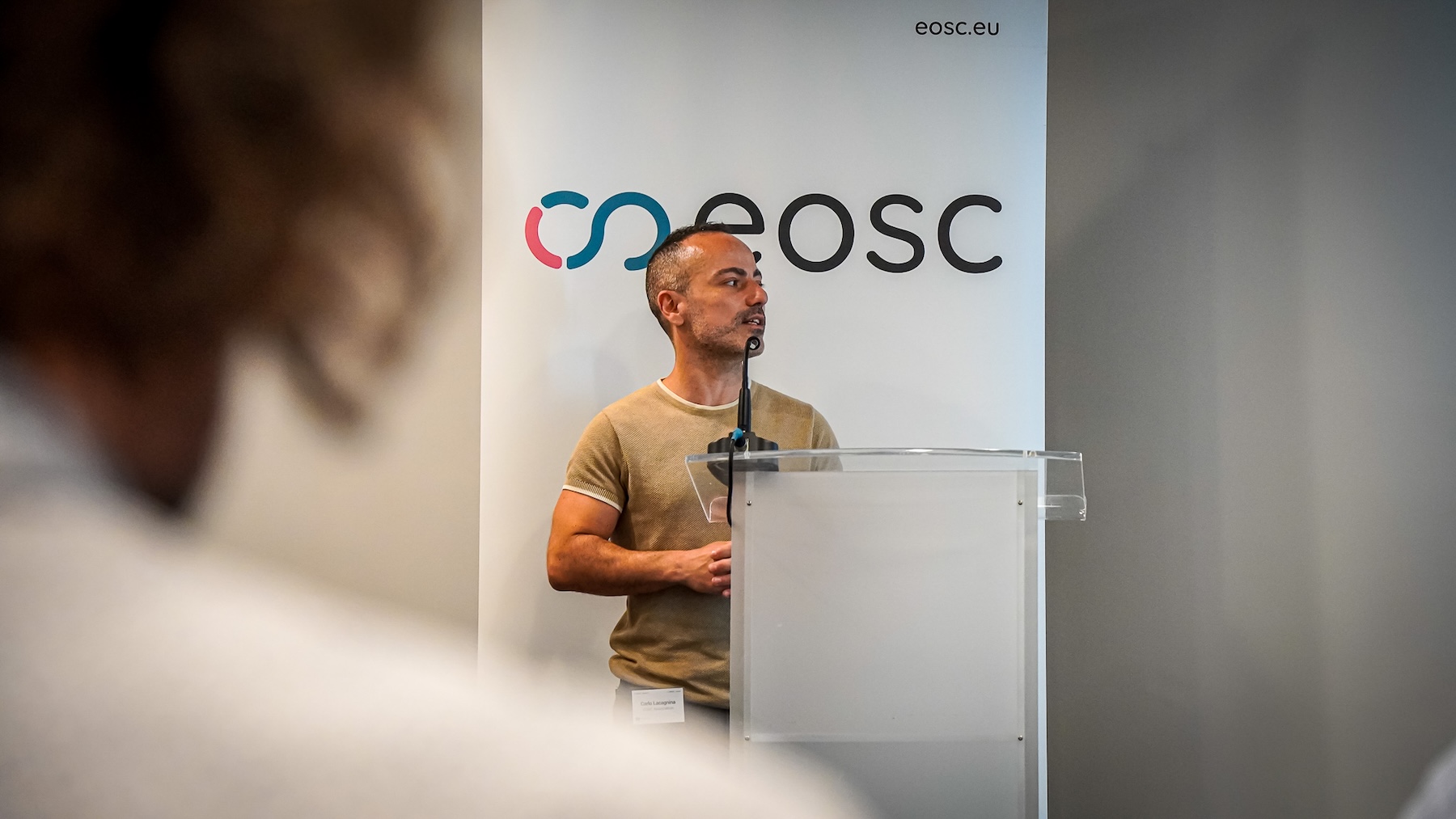
Bob Jones (EOSC-A) and Sara Garavelli (CSC – IT Center for Science) provided an update on the continued development of the EOSC Federation and its transition to operations, which will be officially marked at this year’s EOSC Symposium, organised by EOSC Gravity, in Florence, Italy on 14-16 October.
Participants reviewed progress on the deployment of core federating capabilities, including authentication and authorisation services, resource catalogues, monitoring systems and support services. During its initial phase, EOSC United conducted interviews with representatives of the 13 first-wave EOSC Nodes to better understand the use of the EOSC EU Node, its federating capabilities, and patterns of adoption, complemented by the collection of usage statistics. As a key component of the Federation’s build-up phase, the EOSC EU Node provides the mandatory federating capabilities and serves as a reference model for enrolling new Nodes. The findings from EOSC United help inform its future development as the Federation moves towards production status and transitions from a centralised architecture to a more distributed model.
The meeting also highlighted the role of EOSC United’s scientific use cases in validating the Federation model. Research communities in areas such as life sciences, marine sciences, health data and distributed computing are actively testing Federation services in real-world settings.
This work is strategically important because it ensures that Federation development is driven by actual user needs rather than technical assumptions. By identifying challenges and validating solutions, the use cases help ensure that the Federation evolves into a practical and effective infrastructure capable of supporting diverse scientific communities across Europe.
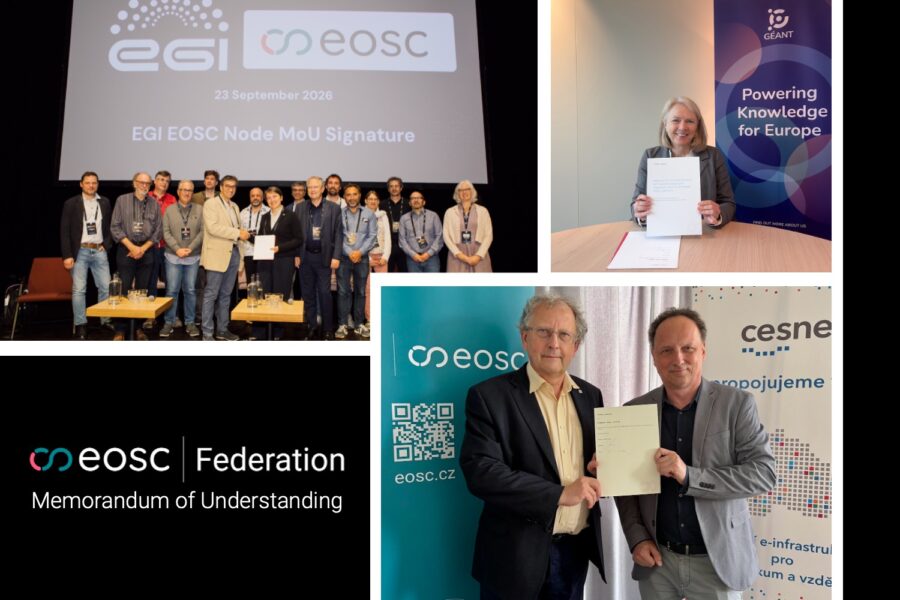
Alongside the technical work, partners discussed progress on the policy and operational frameworks that will underpin Federation participation, including the future EOSC Federation Framework Agreement and interoperability standards. These efforts are helping establish the common rules and practices needed to support the EOSC Federation.
Building the skills within the EOSC ecosystem
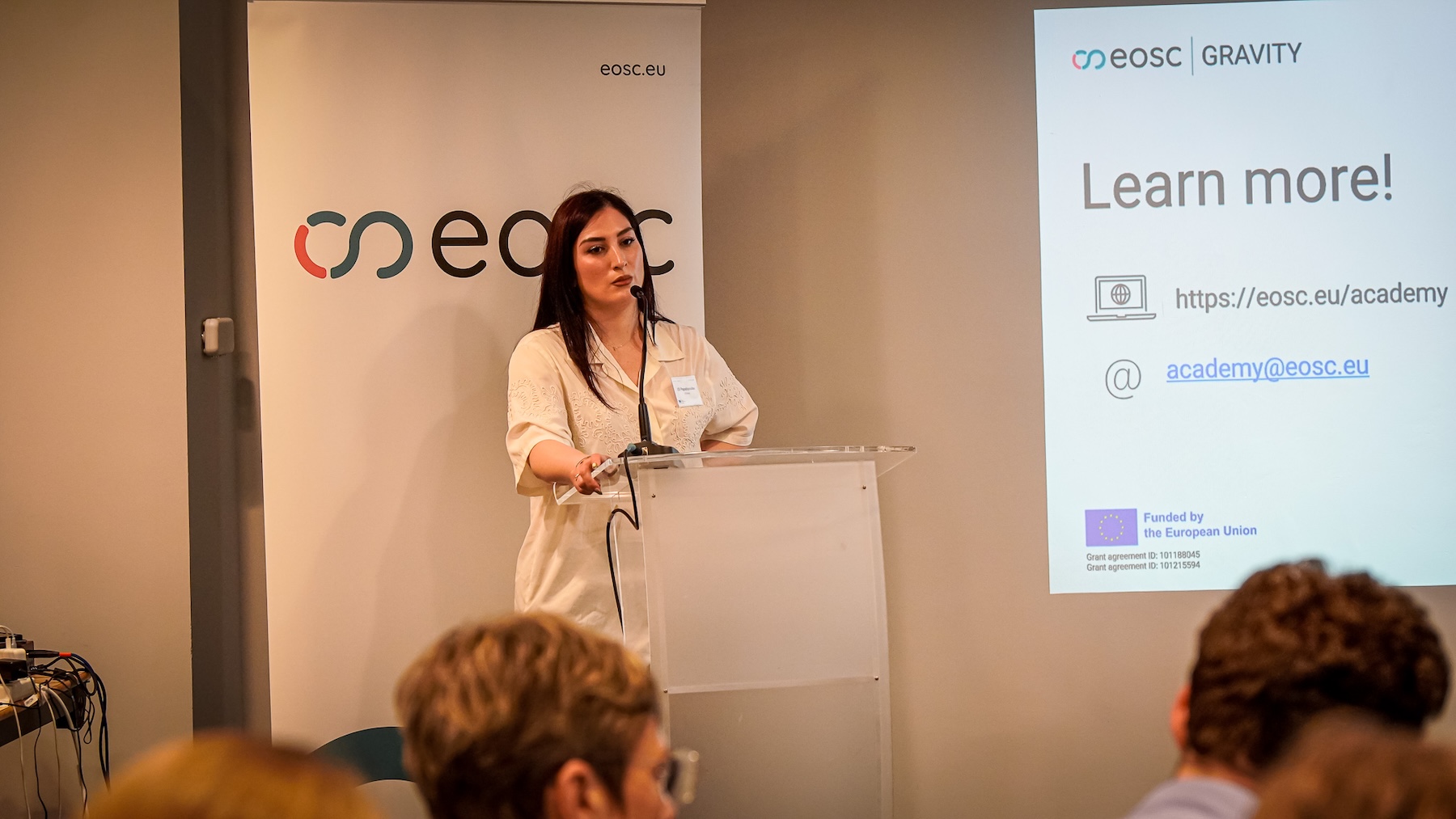
The EOSC Academy, developed within the framework of EOSC Gravity and launched in May 2026, featured prominently in discussions on community engagement and capacity building.
The Academy provides an online training ecosystem for researchers, service providers and EOSC practitioners. Participants reviewed plans for upcoming courses and discussed what learning materials need to be designed.
The Academy ensures that technical capabilities are matched by the skills needed to use, operate and integrate them. As the Federation expands, training and capacity-building will play an increasingly important role in transforming technical readiness into real adoption by research communities and service providers. By investing in skills, EOSC Gravity is helping create the conditions for long-term Federation sustainability and growth.
Two projects, one shared objective
The joint General Assembly demonstrated how EOSC United and EOSC Gravity contribute to different but closely connected dimensions of EOSC’s and EOSC Federation’s development. Together, they aim to ensure that EOSC enters the post-2027 period with a clear strategic direction, robust evidence of its impact and governance structures capable of supporting a mature European research infrastructure.