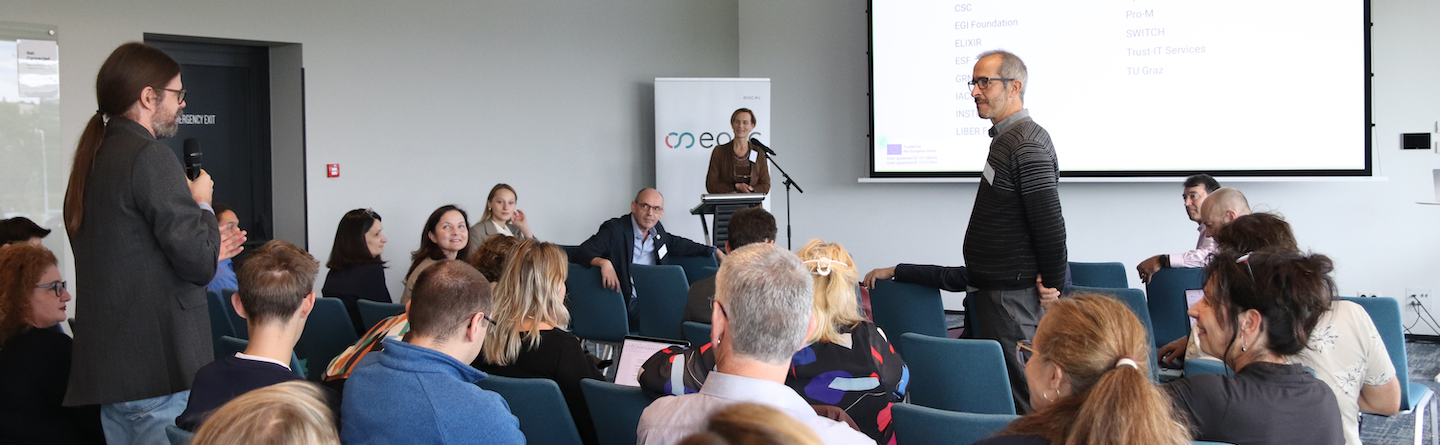
BRNO — The EOSC United consortium gathered in Brno on 23–24 September 2025 to launch its 36-month Horizon Europe project, designed to anchor the European research community in the EOSC Federation. The meeting also welcomed representatives of EOSC Gravity, a complementary project with the shared mission of empowering stakeholders to shape and grow the EOSC Federation.
Co-organised by Masaryk University, the kick-off set a tone of enthusiasm and commitment to advancing the EOSC Federation and making full use of the EOSC EU Node as a common resource and blueprint.
Building on strong foundations
Opening the meeting, Ute Gunsenheimer, EOSC-A Secretary General, emphasised that the achievements of EOSC Focus, which concluded in May 2025 and was recently evaluated successfully, provide a strong foundation for EOSC United and EOSC Gravity, the twin projects coordinated by the EOSC Association.
The final review noted that “EOSC Focus contributed at laying a strong foundation for the future of Open Science in Europe.” Gunsenheimer, who is also the coordinator of EOSC Gravity, added, “As we move forward, flexibility will be essential. As project partners, we need to adapt dynamically when opportunities arise.”
EOSC United will work closely with EOSC Gravity to ensure that researchers can fully benefit from data and services offered through the EOSC Federation, enabling collaboration across disciplines and borders. The project will advance the EOSC Federation establishment by assisting the EOSC Tripartite Governance in developing a common operational framework. In parallel, EOSC Gravity will bring together a wide range of stakeholders, creating the necessary conditions for a successful shift from the current partnership model to a new, long-term governance and funding structure post-2027.
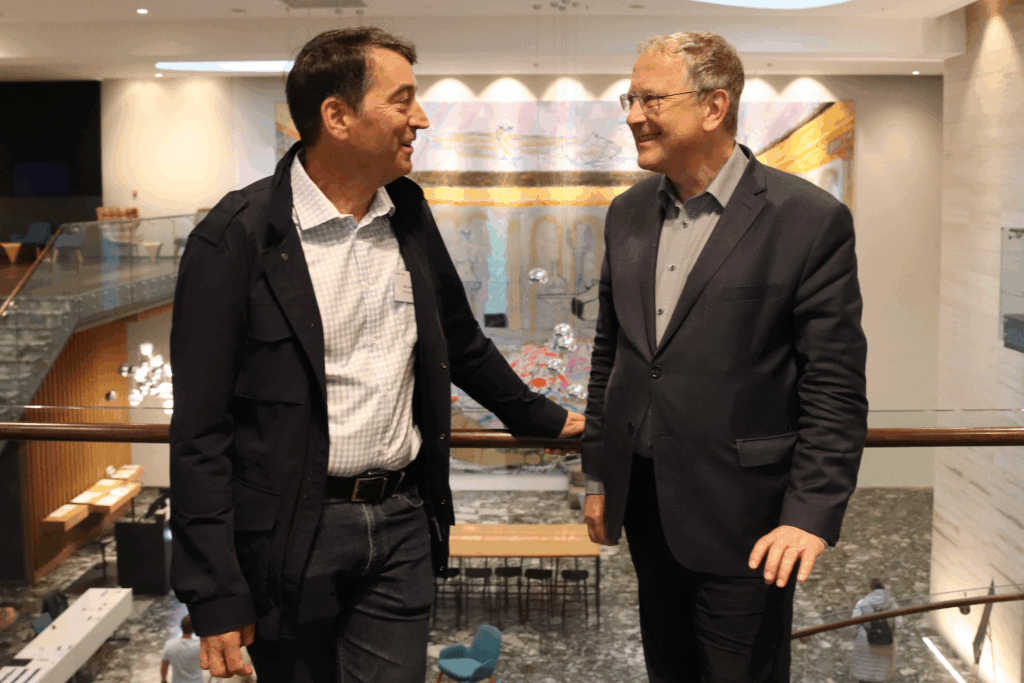
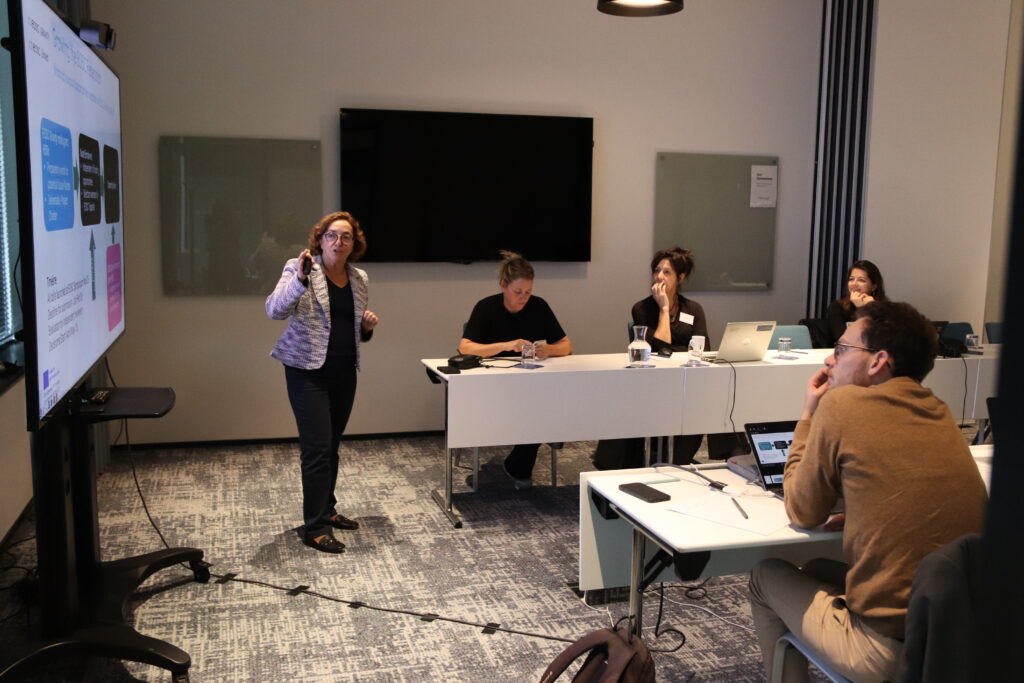
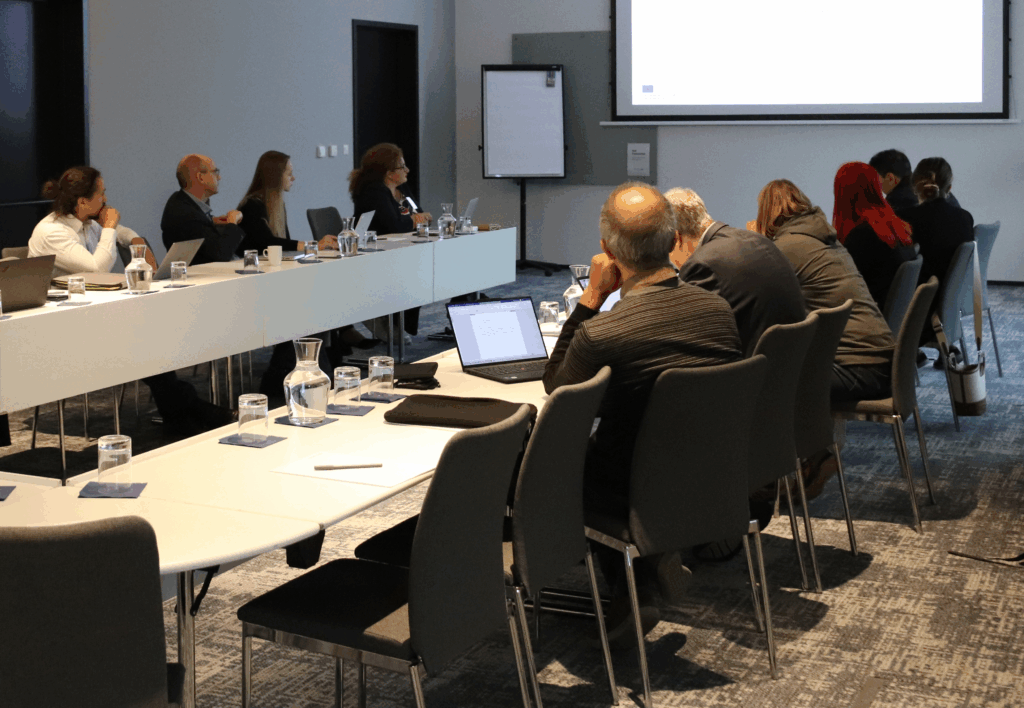
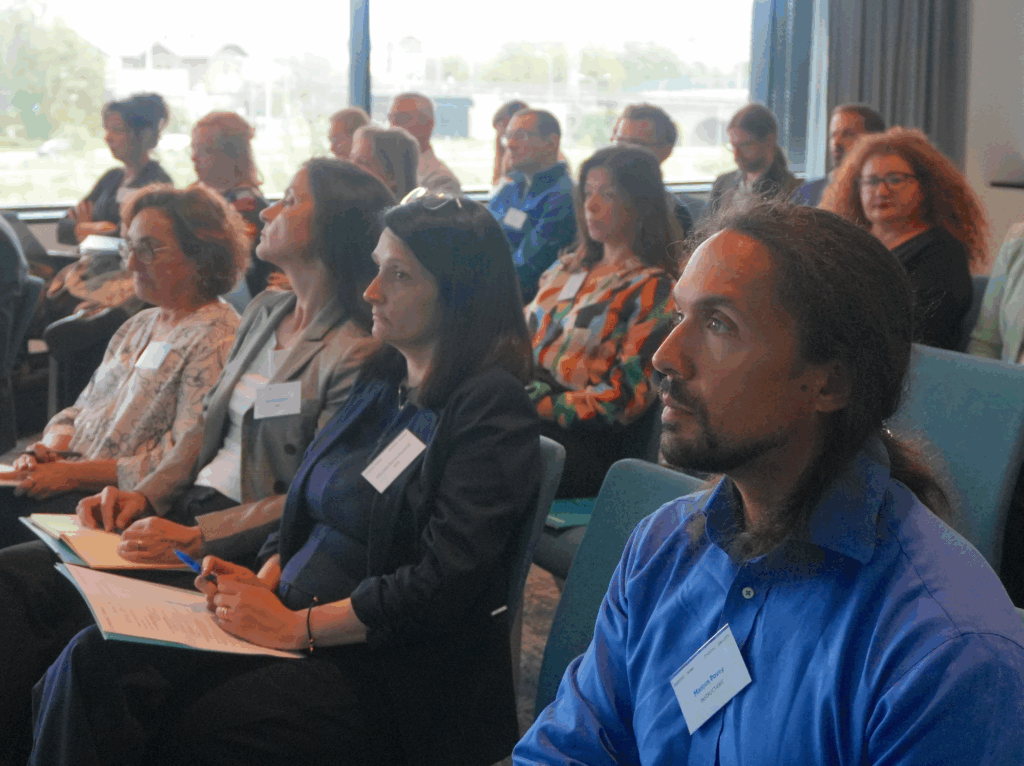

Photos by Lucie Skřičková (Masaryk University) and Sara Bozzi (Trust-IT)
Advancing the EOSC Federation: Progress and next steps
Bob Jones, the project coordinator of EOSC United and Co-Chair of the EOSC Federation Build-up Group, provided a historical perspective, tracing developments from the launch of the EOSC EU Node web presence in April 2024 to the forthcoming deployment of the EOSC Federation. During his presentation, he emphasised the anticipated long-term contributions of EOSC United and EOSC Gravity beyond the Federation’s first deployment wave.
“With EOSC United, we will help all stakeholders who are building EOSC to create a successful and functioning environment. Quality remains our benchmark, as set by EOSC Focus, and our goal is to simplify solutions to ensure impact,” he said.
Joining remotely, Peter Szegedi from DG CNECT gave an update on the EOSC EU Node. He outlined upcoming changes to the credit system to encourage wider uptake, onboarding of Nodes to the AAI Federation, and the release of new training materials. He also reaffirmed the Commission’s commitment to the EU Node as a central integrator in the EOSC Federation.
Strategic funding opportunities and outlook
The meeting included discussions on future opportunities for engagement in the EOSC Federation. Three new calls will be launched at the EOSC Symposium 2025, providing different entry points for organisations wishing to contribute.
Participants also examined the European Commission’s draft Framework Programme for Research and Innovation (2028–2034) and its anticipated impact on EOSC. The analysis clarified the path towards 2027 and highlighted the importance of developing sustainable funding models, a task where EOSC Gravity will play a leading role.
Work packages and community engagement
Next, the leaders of the five EOSC United Work Packages presented their objectives, highlighting interconnected priorities that range from technical development and interoperability to communication and stakeholder engagement.
Planned activities of EOSC United include supporting the integration of services into the EOSC Federation. The project will demonstrate the value of the EOSC EU Node by piloting cross-disciplinary scientific use cases, strengthening research reproducibility and interoperability, and linking EOSC to wider European data initiatives. Communication and engagement will also remain central, building trust and demonstrating the tangible benefits of the EOSC Federation for researchers, funders, and policymakers.
Hands-on breakout sessions
The second day of the meeting focused on interactive breakout sessions, during which participants discussed the preparations for the upcoming EOSC Winter School, further development of the EOSC EU Node through selected use cases, and the governance framework of the EOSC Federation, addressing both its technical and legal aspects.
The sessions concluded with alignment of the project work plan and a shared commitment to refine activities in line with community needs.
Looking ahead
The Brno kick-off concluded with a clear consensus on priorities, emphasising close coordination between the two projects and a shared commitment to implement impactful activities that support the long-term growth and sustainability of the EOSC Federation.
The collaborative spirit fostered during the meeting set a strong foundation for EOSC United, working alongside EOSC Gravity, to guide the next phase of the EOSC Federation’s development.