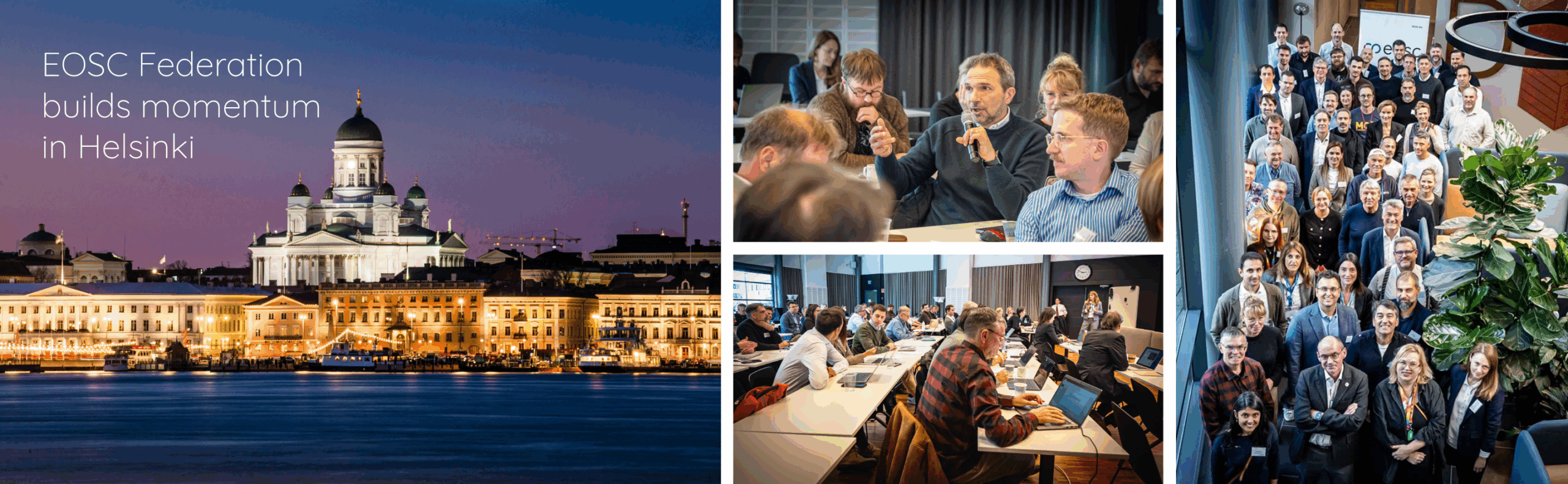
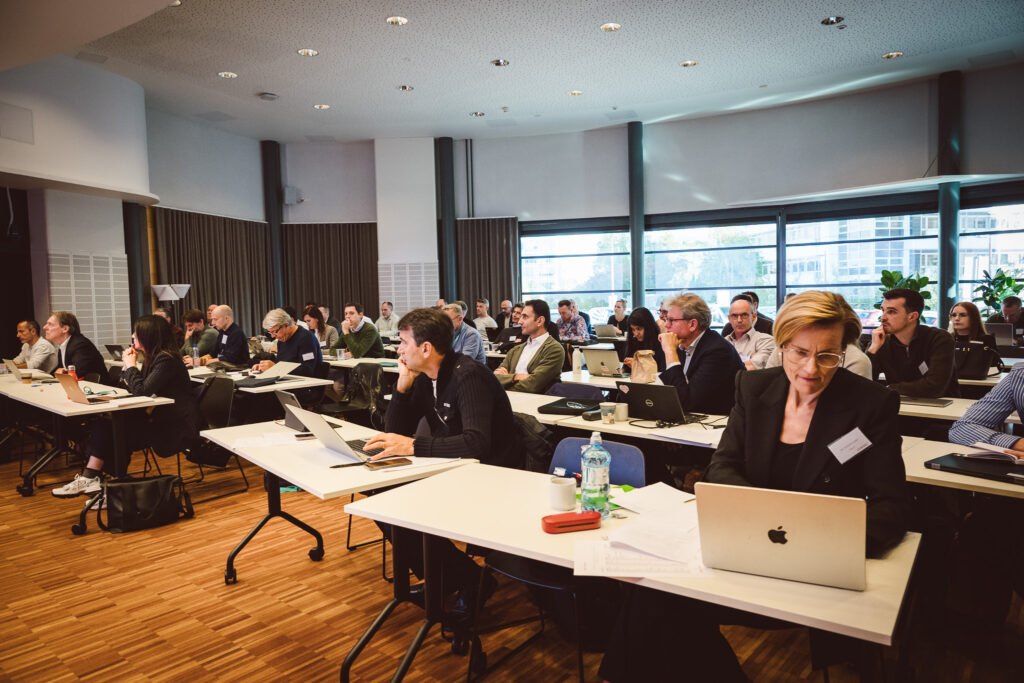
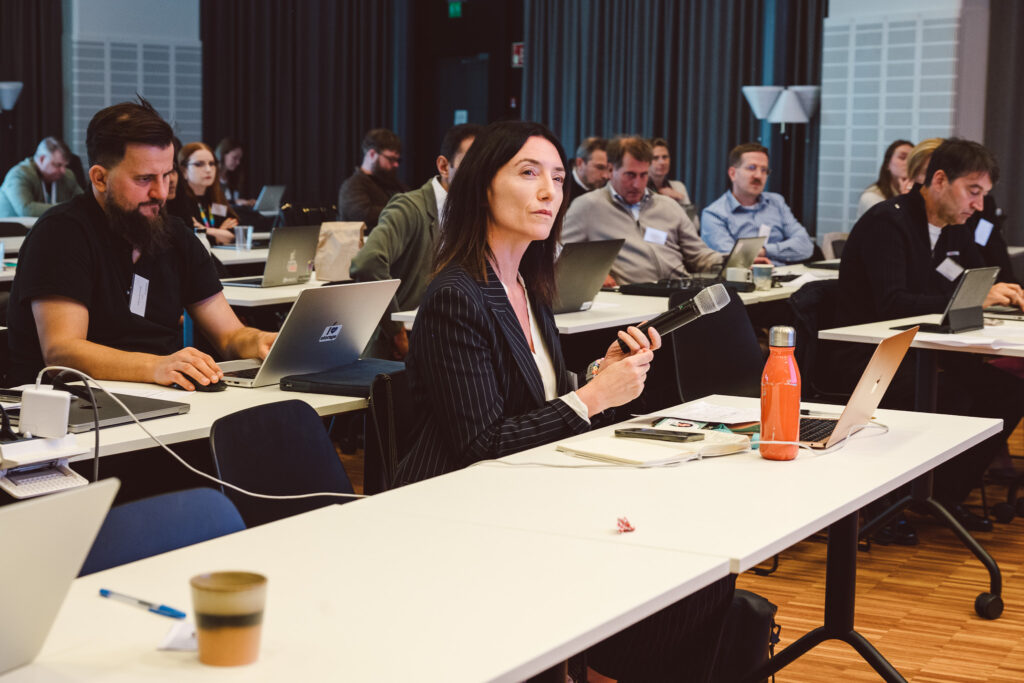
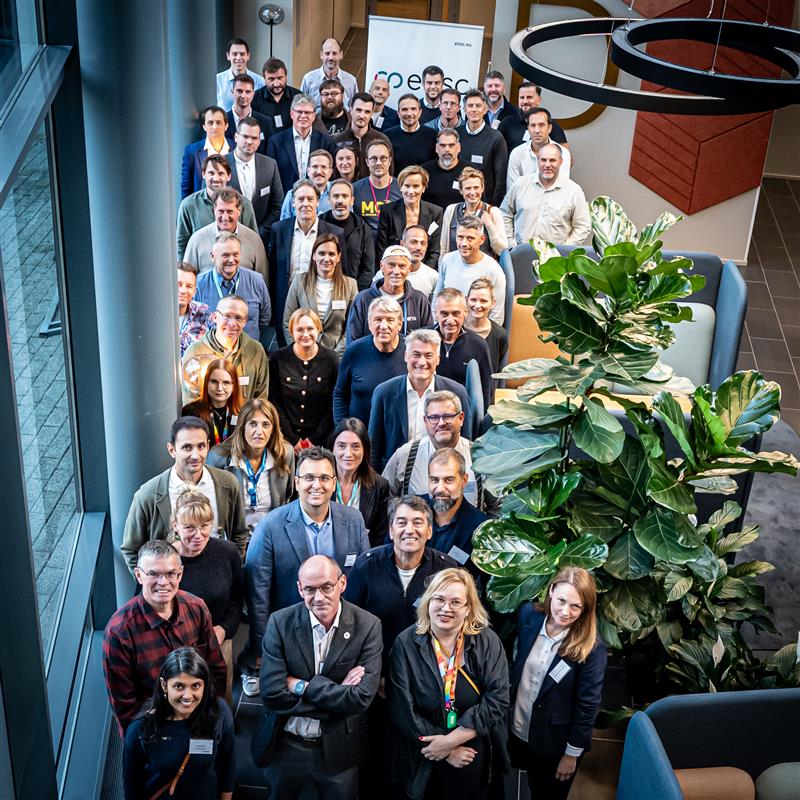
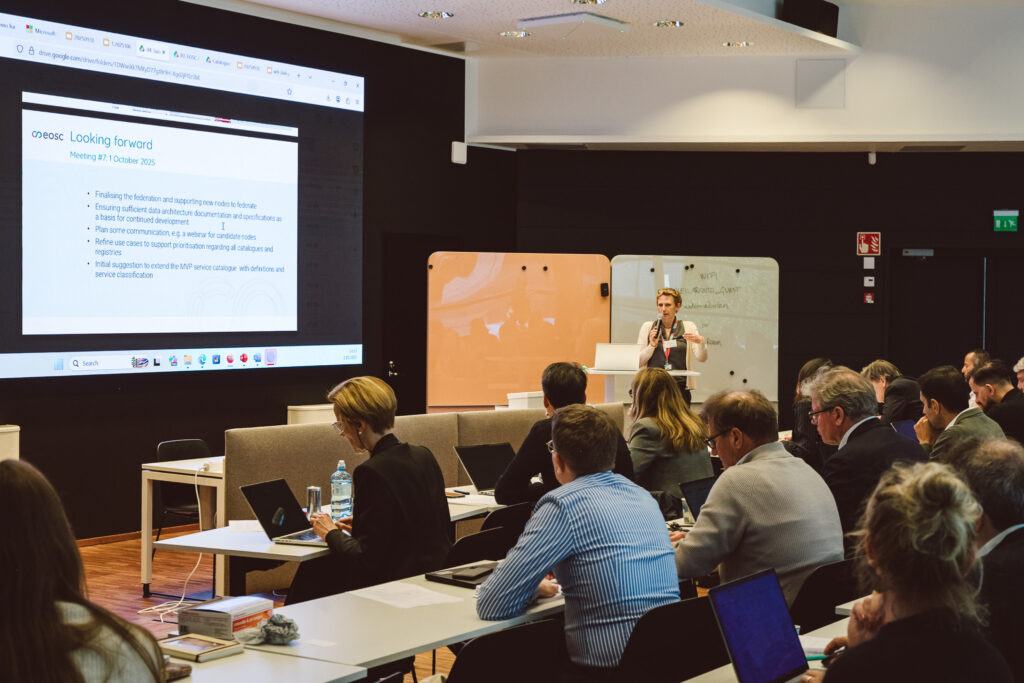
HELSINKI — The European Open Science Cloud (EOSC) is moving decisively from blueprint to reality. The EOSC Federation Build-up Group gathered on the outskirts of Helsinki on 01–02 October to prepare for the Federation’s debut at the upcoming EOSC Symposium in Brussels.
The Helsinki meeting, hosted by CSC – IT Center for Science, showcased significant progress in building a cohesive, federated ecosystem that promises to transform how Europe’s research data and services are shared, accessed, and reused.
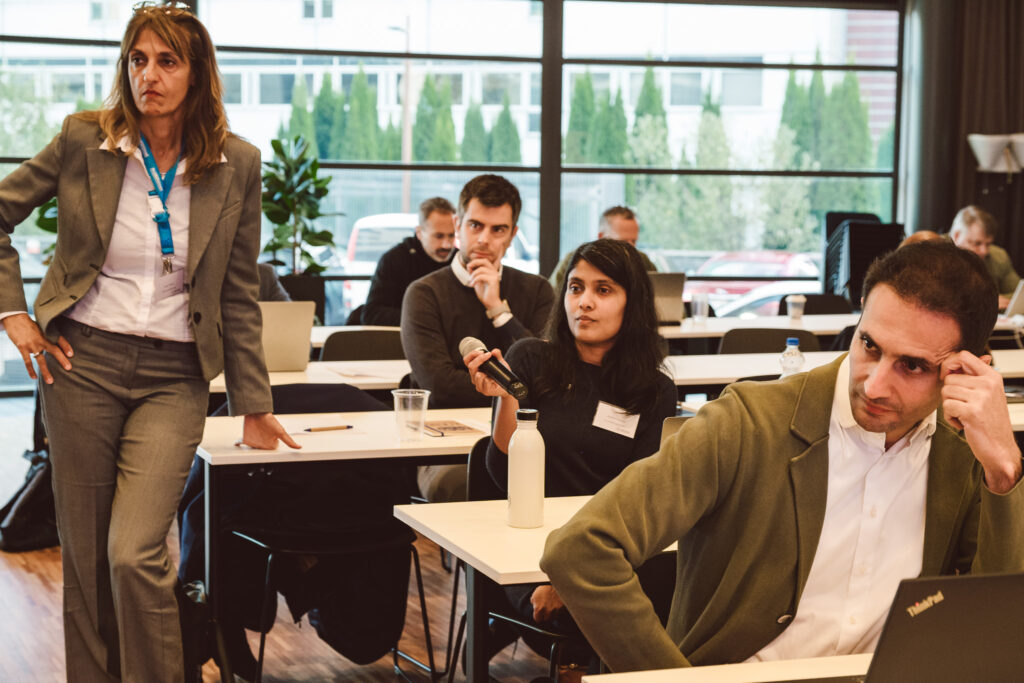
The meeting was opened by CSC Managing Director Kimmo Koski, who welcomed the participants before giving the floor over to representatives of each party of the EOSC Tripartite Governance responsible for steering the implementation of the EOSC Federation. Speakers Pantelis Tziveloglou (European Commission, DG RTD), Roberto Sabatino (EOSC Steering Board, Ireland), and Ute Gunsenheimer (EOSC-A Secretary General) each took the opportunity to mark progress, note the challenges ahead and underscore the importance of the Build-up Phase to the overall success of EOSC. Build-up Group Co-Chair Bob Jones then guided the participants through the remainder of the meeting’s agenda.

Strong foundation for a federated future
The Build-up Group is made up of representatives from the EOSC EU Node, and each of the 13 candidate EOSC Nodes invited to contribute to the first wave deployment of the EOSC Federation. Having only kicked off the build-up phase in March 2025, the group is on an ambitious nine-month trajectory toward launch in November. The Helsinki face-to-face meeting gave the Node coordinators an opportunity to benchmark their respective achievements and highlight pinch-points in advance of the Symposium.
A notable milestone is that most Nodes have successfully completed integration or testing of their authentication and authorisation systems, preparing the way for seamless cross-border user access. Progress on research product catalogues is also well advanced, while efforts continue to strengthen service catalogues — an essential step toward a fully interoperable ecosystem.
Despite technical and organisational hurdles — from harmonising service dependencies to coordinating access policies — the outcomes so far point to a maturing infrastructure. Candidate Nodes are already reporting tangible benefits: greater alignment with FAIR data principles, more opportunities for cross-border collaboration, and the emergence of a unified community committed to reusable research outputs. These early gains underscore the Federation’s potential to unlock unprecedented scientific synergies across Europe’s diverse research landscape.
Sub-groups drive key outcomes
Much of the Federation’s progress stems from the work of specialised sub-groups assembling the critical building blocks for enrolling and federating the Nodes and onboarding external resources.
Capabilities: Foundational documents — including the EOSC AAI Architecture 2025 and a guide for registering research product catalogues in the EU Node — are now in place, forming the backbone of cross-node interoperability.
Resources: Early testing of federated data-sharing workflows has proven successful, showing how data can move securely and efficiently across multiple nodes. Work is also under way on metadata guidelines that will make research outputs more discoverable and reusable.
Governance: The drafting of a Memorandum of Understanding (MoU) between the EOSC Association and the individual Nodes marks a milestone in formalising the Federation’s operational framework. Complementing this, a revised EOSC Federation Handbook — informed by the lived experience of Node coordinators — is due by the end of 2025.
Cybersecurity: A newly established sub-group is setting out security compliance requirements to safeguard EOSC’s federated environment, a vital step as the Federation moves closer to production.
Demonstrating real-world value: Scientific use cases
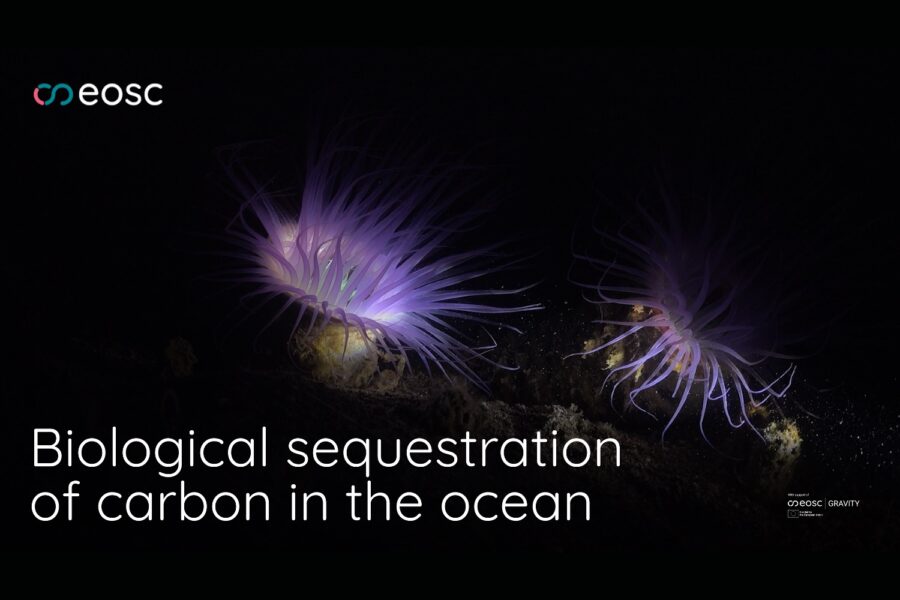
At the heart of the EOSC Federation’s promise are its cross-node scientific use cases, designed to demonstrate its capabilities and value proposition. These projects — ranging from marine carbon sequestration and life science imaging to high-energy physics data analysis and surveillance of pathogenic genomes — promise to showcase how federated resources can enable breakthrough science. Updates on the six EOSC Federation scientific use cases that are already in progress were presented within the Build-up Group in order to assess their progress, scalability and readiness level.
The use cases demonstrate how the EOSC Federation enables researchers to combine services and datasets from multiple EOSC Nodes, linking domain-specific data streams to unlock new insights. They also demonstrate how EOSC supports reproducible research by enabling complex workflows to be deployed seamlessly across distributed infrastructure. While challenges remain — including gaining access to sensitive data sets, and the harmonisation of technical environments — the use cases offer compelling proof that EOSC can transform research workflows across disciplines.
Strategic trajectory: From prototype to production
November’s EOSC Symposium will serve as a pivotal moment to present the Federation’s readiness and showcase its first-wave candidate EOSC Nodes. Beyond celebrating progress, the event aims to inspire broader participation and provide a clear roadmap for future engagement.
Post-Symposium, the Federation will shift its focus to long-term sustainability. Several initiatives are already set in motion:
Expansion and growth: A second wave of Node onboarding will begin with a criteria-based call launched at the Symposium, widening the Federation’s reach and capabilities.
Federation-wide policies: Comprehensive policies on participation, interoperability, cybersecurity, and data protection will provide a consistent framework for integrating new partners and services.
Capacity building: The upcoming EOSC Academy will offer training resources to support both current and future members, building the skills needed to operate and benefit from the federated infrastructure.
Continued collaboration: The EOSC Winter School 2026, to be held in January in Nice, will mark the next in-person milestone for the Build-up Group, bringing together Node coordinators and the EOSC community of experts to refine plans for the production phase.
A shared sense of momentum
The Helsinki meeting underscored a shared sense of momentum. The EOSC Federation is no longer a theoretical construct; it is a growing, operational reality poised to redefine European research collaboration. With key technical foundations laid, scientific use cases demonstrating real-world benefits, and a clear roadmap for 2026 and beyond, EOSC is on its way to delivering a truly open, interoperable, and sustainable research environment.