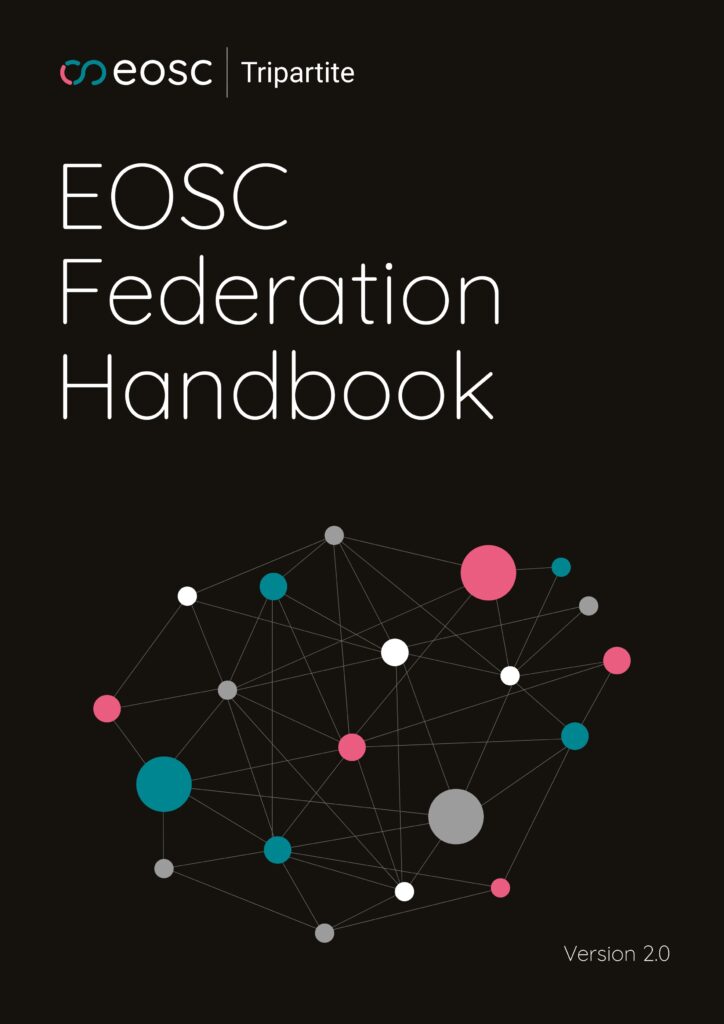
The EOSC Federation is preparing to expand in 2026, and today releases a second edition of the EOSC Federation Handbook.
Developed by the Build-up Group’s Handbook sub-group, the updated document serves as a hands-on guide for organisations interested in making their resources available through the EOSC Federation.
This new edition provides guidance during a critical period focused on bringing the Federation into production, accommodating the second wave of EOSC Nodes, and demonstrating benefits for users and providers. The Handbook offers a comprehensive overview of the Federation’s organisational, operation, and technical characteristics and looks ahead through the end of 2027, aligning with the conclusion of the current Horizon Europe Framework Programme.
What is new in version 2.0?
The Handbook has been thoroughly revised, with several sections fully rewritten to reflect the evolving maturity of the EOSC Federation. Notable additions include a dedicated section on the Memorandum of Understanding, an expanded description of organisational arrangements, updated operational structures, and revised guidance on Node architecture and research resources.
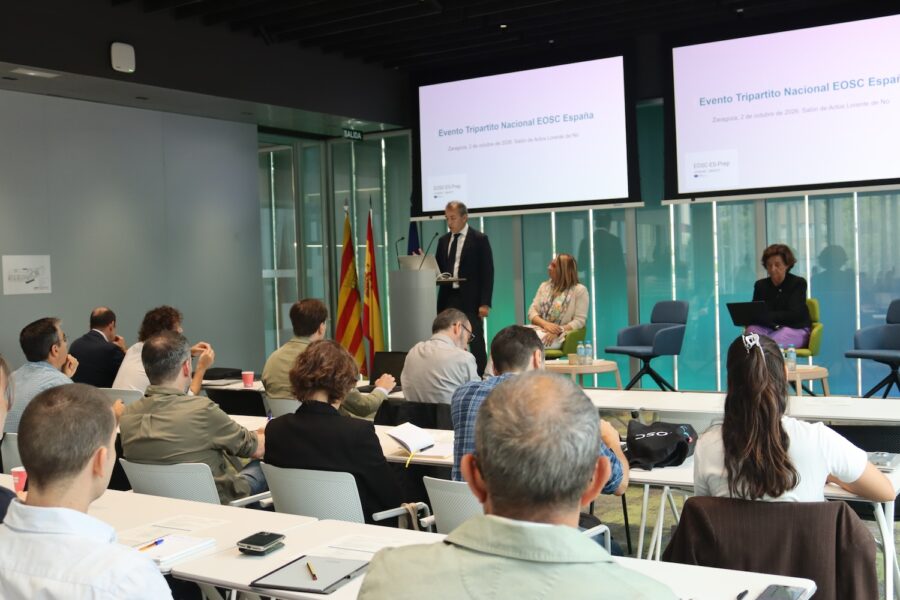
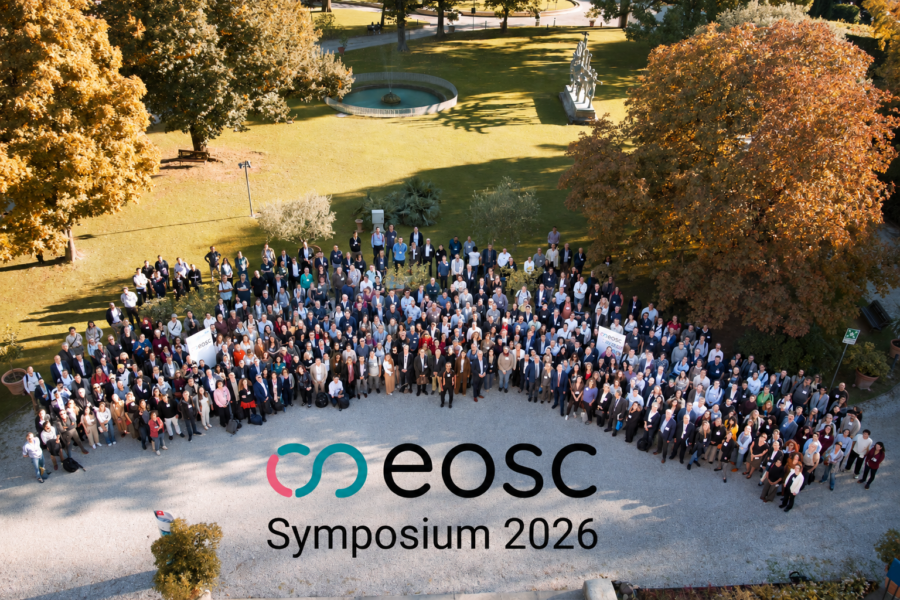
The update incorporates extensive feedback collected through a survey conducted in September and October 2025, targeting EOSC Nodes, INFRAEOSC projects, EOSC Opportunity Area Expert Groups, and EOSC-A Task Forces. A draft version 2.0 was presented to participants at the EOSC Winter School and the Build-up Group in Nice at the end of January 2026, providing an additional opportunity for community feedback.
A collective effort
The Handbook was developed collaboratively on behalf of the EOSC Tripartite governance and under the guidance of the editorial team composed of Andy Götz, Rudolf Dimper, and Bob Jones (EOSC-A), as well as Miguel Rey Mazón (TU Graz), and an additional 15 Handbook sub-group members representing the candidate EOSC Nodes.
The EOSC Federation Handbook is published within the EOSC-A community on Zenodo and is licensed under the Creative Commons Attribution 4.0 International (CC BY 4.0) licence. The AI tool Gemini 2.0 was used to summarise feedback from the survey and to check for errors. The Handbook text was written and reviewed by humans.