



NICOSIA—The EOSC Federation has entered a new stage of strategic growth with the EOSC Tripartite Governance’s endorsement of the 14 second-wave candidate EOSC Nodes invited to enrol over the next 12 months.
The growth of the EOSC Federation, recognised as the Common European Data Space for Research and Innovation, will enhance its geographical reach and thematic diversity, further advancing the development of a trusted, interoperable, and federated European ecosystem for research data and services.
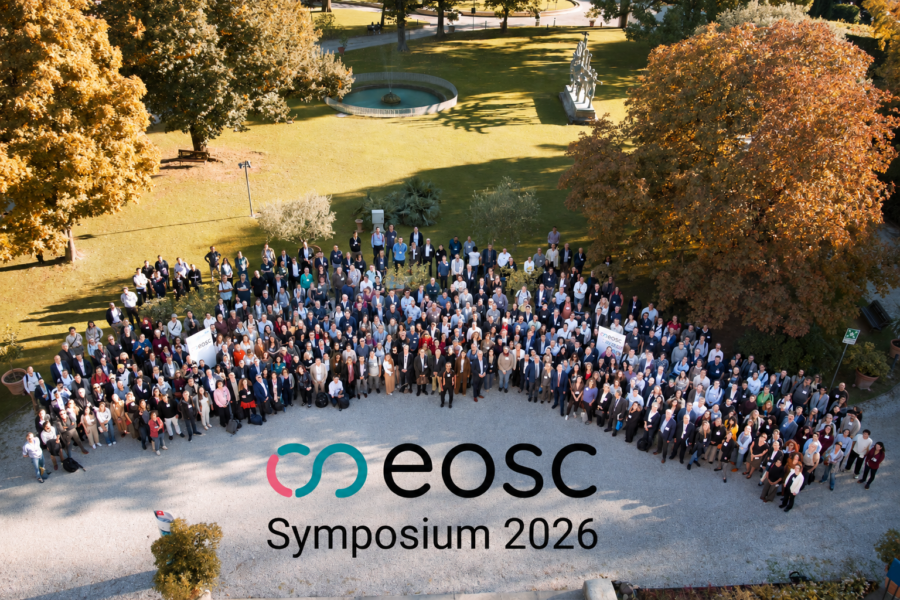
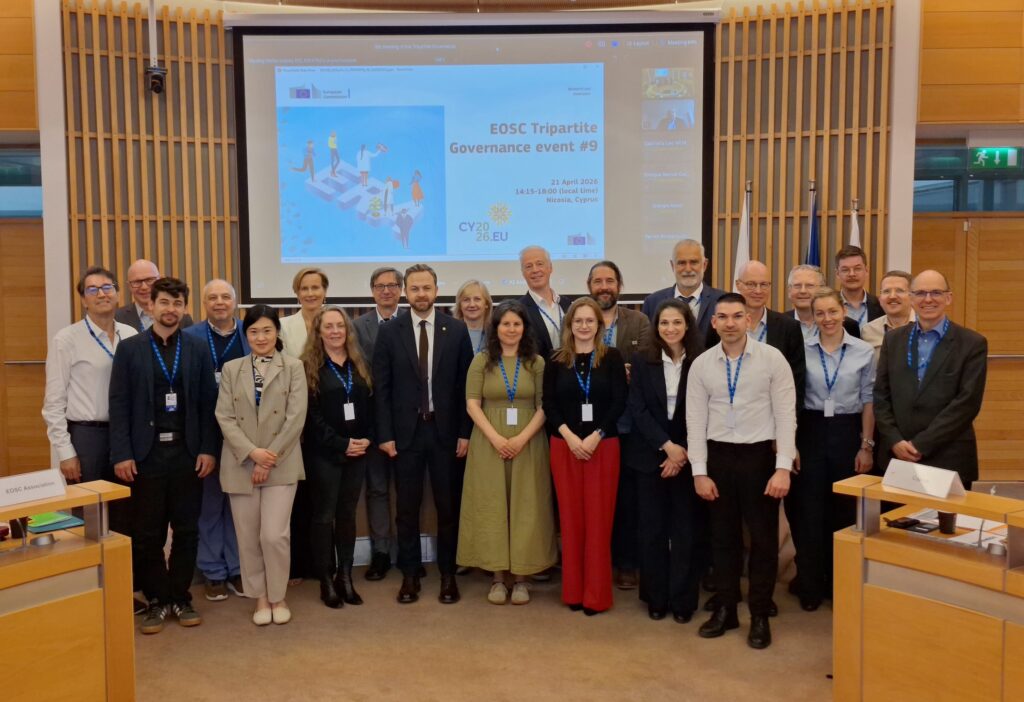
The expansion was formally endorsed at the 9th European Tripartite Event, hosted by the Cyprus Presidency of the EU Council at the University of Cyprus on 21 April 2026. The joint decision by the European Commission, the EOSC Steering Board, and the EOSC Association underlines the growing strategic role of the EOSC Federation in the EU’s drive toward data sovereignty, AI leadership and global scientific competitiveness.
A strong and diverse cohort
Following the enrolment call by the EOSC Tripartite Governance, which ran from 03 November 2025 to 18 February 2026, all 14 proposals met the eligibility criteria and were positively assessed, reflecting the high level of maturity and readiness for EOSC across the European Research Area and enhancing the geographical reach and thematic diversity of the EOSC Federation. The new candidate EOSC Nodes will begin their enrolment journey in May 2026 in sequenced phases through spring 2027.
The second wave brings together a balanced portfolio that reflects the diversity of the European research landscape. Eight of the proposals will establish national EOSC Nodes, expanding the engagement in the EOSC Federation to additional EU Member States and Associated Countries. Three proposals will develop pan-European e-infrastructure Nodes, and three more will focus on thematic EOSC Nodes serving a growing diversity of scientific domains.
“It is encouraging to see the readiness of the organisations joining this second wave and their clear commitment to supporting the European scientific community through the voluntary sharing of resources and services,” noted Bob Jones, the EOSC Association’s special envoy to the EOSC Federation and Chair of the Node Coordinators Committee.
The 14 second-wave candidate EOSC Nodes will establish:
- national EOSC Nodes in the Czech Republic, Croatia, Latvia, North Macedonia, Sweden, Slovenia, Switzerland, and Türkiye;
- pan-European e-infrastructure EOSC Nodes through GÉANT, EGI, and Scholarly Commons;
- and thematic EOSC Nodes by METROFOOD-RI, EBRAINS RI, and ENVRI.
These new candidate EOSC Nodes join the EOSC EU Node and the 13 first-wave candidate Nodes, all of which have been instrumental in shaping the Federation since March 2025 as part of the Build-up Group. Together with the EOSC Tripartite, the Nodes are laying the foundations of the Common European Data Space for research and innovation.
“This further expansion of the EOSC Federation is a strong signal of Europe’s national-level commitment to open, connected, and trusted research. Each new organisation that commits its resources and expertise to the Federation helps to turn the shared vision into operational reality, reinforcing EOSC as a cornerstonce of Europe’s research and innovation landscape,” said Aneta Pazik-Aybar, Polish delegate and Co-Chair of the EOSC Steering Board.
The scaling impact of the second wave
The contributions of the second wave will bring substantial new capacity to the EOSC Federation. Collectively, the new candidate EOSC Nodes are expected to deliver 36 cross-node use cases, enabling practical collaboration across infrastructures, countries and disciplines. They will also contribute hundreds of federated services and connect more than 270 named data repositories, significantly expanding access to interoperable research data.
This expansion will be further strengthened through links to four other Common European Data Spaces, seven EuroHPC supercomputing centres, and 20 ESFRI Research Infrastructures, embedding EOSC more deeply into Europe’s wider research landscape.
“The new candidate EOSC Nodes will expand the thematic and geographic coverage of the EOSC Federation, which is essential to serve the Federation’s mission to interconnect research data and scientific services across disciplines and borders in Europe,” said Michael Arentoft, Head of Unit for Open Science and Research Infrastructures at the European Commission’s Directorate-General for Research and Innovation (DG RTD).
From enrolment to operational integration
The second-wave candidate EOSC Nodes will officially begin their work in May 2026 with a kick-off meeting. In the months that follow, they will submit updated project charters, nominate representatives, and participate as observers in the committees and working groups established under the Memorandum of Understanding for the EOSC Federation.
The EOSC Federation Handbook together with technical integration briefings from the EOSC EU Node will support the enrolment and onboarding processes, ensuring alignment with the capabilities, enrolment procedures, and operational requirements of the EOSC Federation.
“EOSC plays a vital role in securing European sovereignty over research data and enabling a thriving AI and innovation ecosystem,” concluded EOSC-A President Klaus Tochtermann. “Continued expansion of the EOSC Federation is foreseen and will build on the first and second waves to further accelerate the Federation’s momentum toward a critical mass of resources and users, strengthening Europe’s strategic position generally.”
News from second-wave candidate EOSC Nodes
- EGI to strengthen transnational Open Science as a candidate EOSC Node
- GÉANT selected as candidate Node in the EOSC Federation
- A new step for Open Science: National candidate EOSC Node enters the EOSC Federation expansion phase (Macedonia)
- Candidate Czech EOSC Node to join the second wave of the EOSC Federation’s expansion
- EBRAINS invited to join EOSC Federation as a thematic Node to advance Open Science
- Slovenian national Node included in the EOSC Federation (published on the website of the Slovenian Open Science Community and ARNES)
- EOSC Scholarly Commons candidate Node: OPERAS and OpenAIRE recognised as candidate nodes of the EOSC Federation
- The scholarly fabric of EOSC